
Indirect Lighting – Definition, Applications and Effects
How Does Indirect Lighting Work?
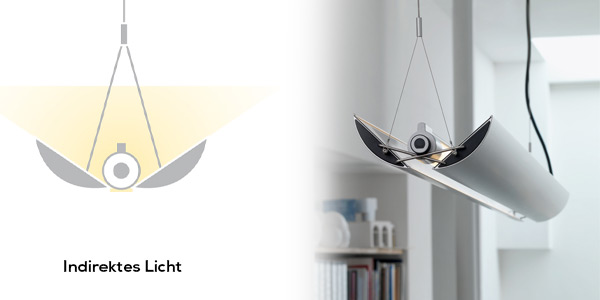
Indirect lighting refers to a lighting technique in which light does not shine directly onto an object or area but is first directed toward a reflective surface such as a wall, ceiling, or piece of furniture. From there, it is reflected softly and evenly back into the room. This creates a particularly pleasant, glare-free lighting effect with soft shadows and a calm atmosphere.
Indirect light is often used as ambient lighting or atmospheric mood lighting. It provides even brightness throughout a space and creates a comfortable ambience without harsh contrasts. In living rooms, bedrooms, hallways, hotels, or restaurants, indirect lighting contributes to a harmonious interior environment.
In modern lighting design, indirect lighting is usually combined with direct or accent lighting. This layered approach creates a balanced lighting concept that meets both functional and aesthetic requirements.
What Should You Consider When Using Indirect Lighting?
Indirect lighting works effectively only when the reflective surface is suitable. Important factors include:
Light Colours
White or light-coloured surfaces reflect light best. Dark walls and ceilings absorb more light and reduce the overall effect.
Smooth Surfaces
Rough or highly textured surfaces—such as wood panelling, textured wallpaper or dark plaster—scatter light unevenly.
Appropriate Ceiling Height
High ceilings require stronger light sources to ensure enough light reaches the ceiling and is reflected into the room. Low ceilings, on the other hand, can quickly appear overly bright or oppressive if too much indirect light is used. This can be avoided by choosing dimmable luminaires.
Indirect Light Is Not Task Lighting
Because indirect lighting produces very few shadows and lacks clear direction, it is not suitable for tasks requiring precision or strong illumination. It should therefore always be complemented with direct lighting.
Which Fixtures Are Suitable for Indirect Lighting?
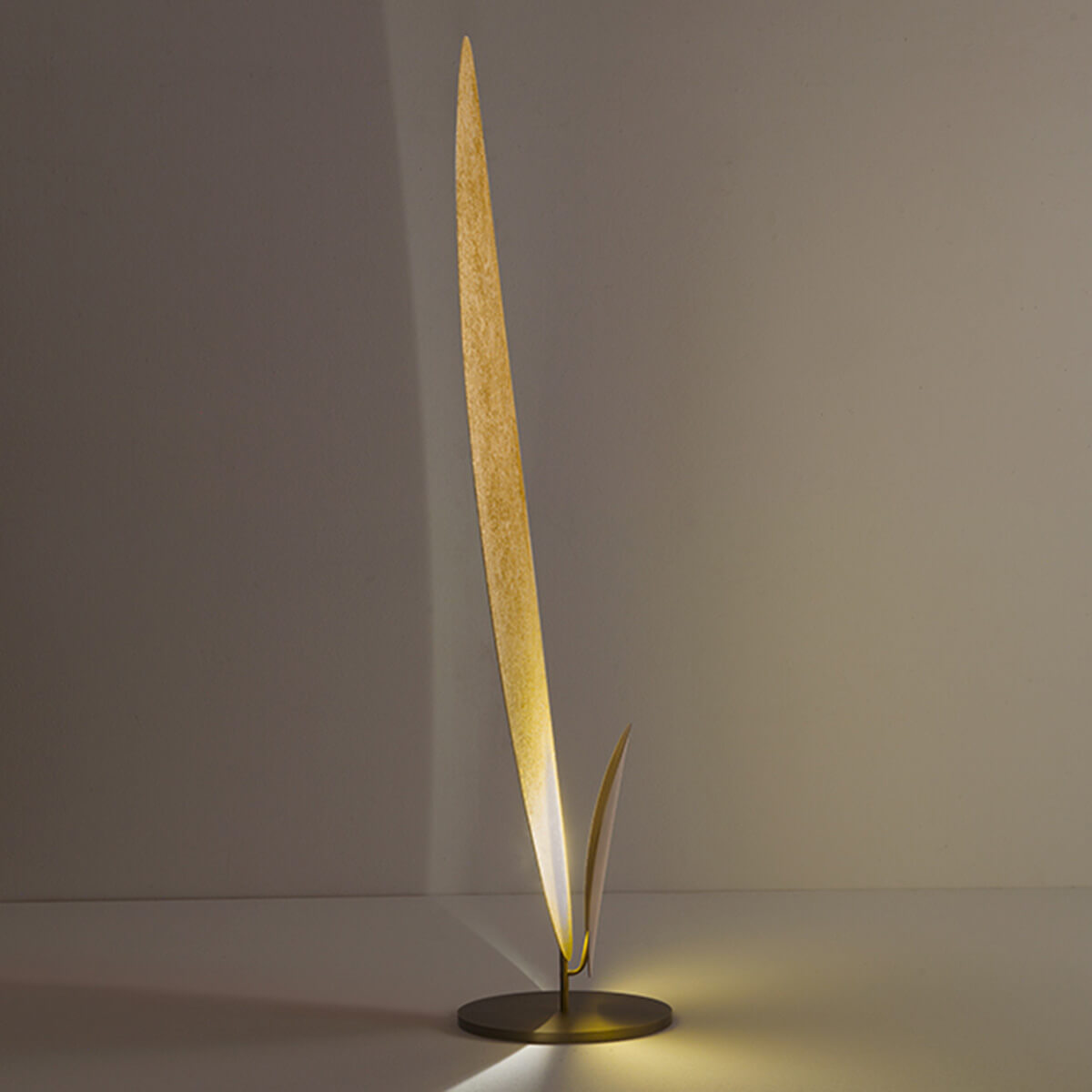
1. Torchiere Floor Lamps
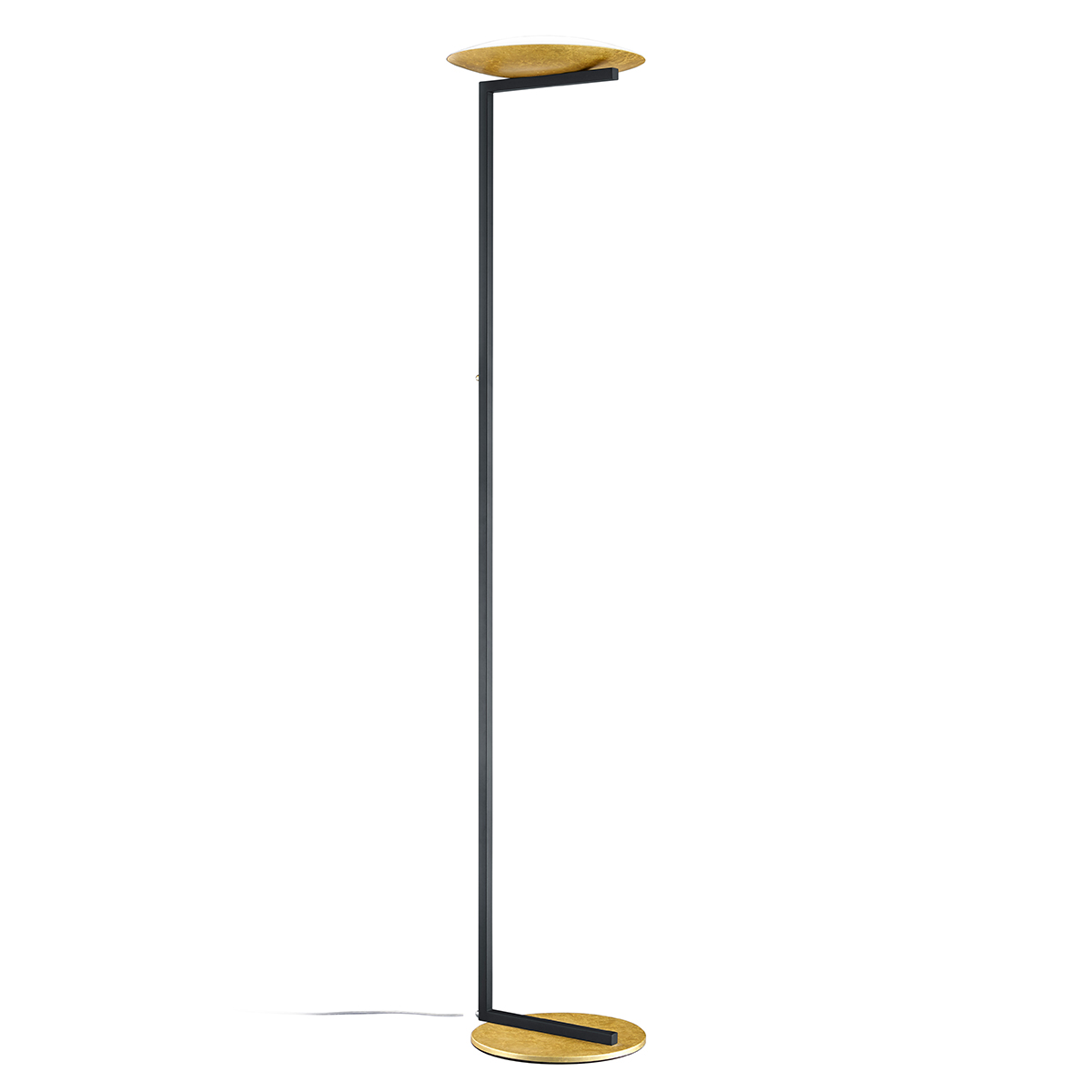
Torchiere floor lamps direct light upward toward the ceiling, which then reflects it softly back into the room. This creates atmospheric ambient lighting—ideal for living rooms, reading areas, or lounge spaces. Most models feature integrated dimmers, allowing the indirect light to be adjusted easily to suit the desired atmosphere.
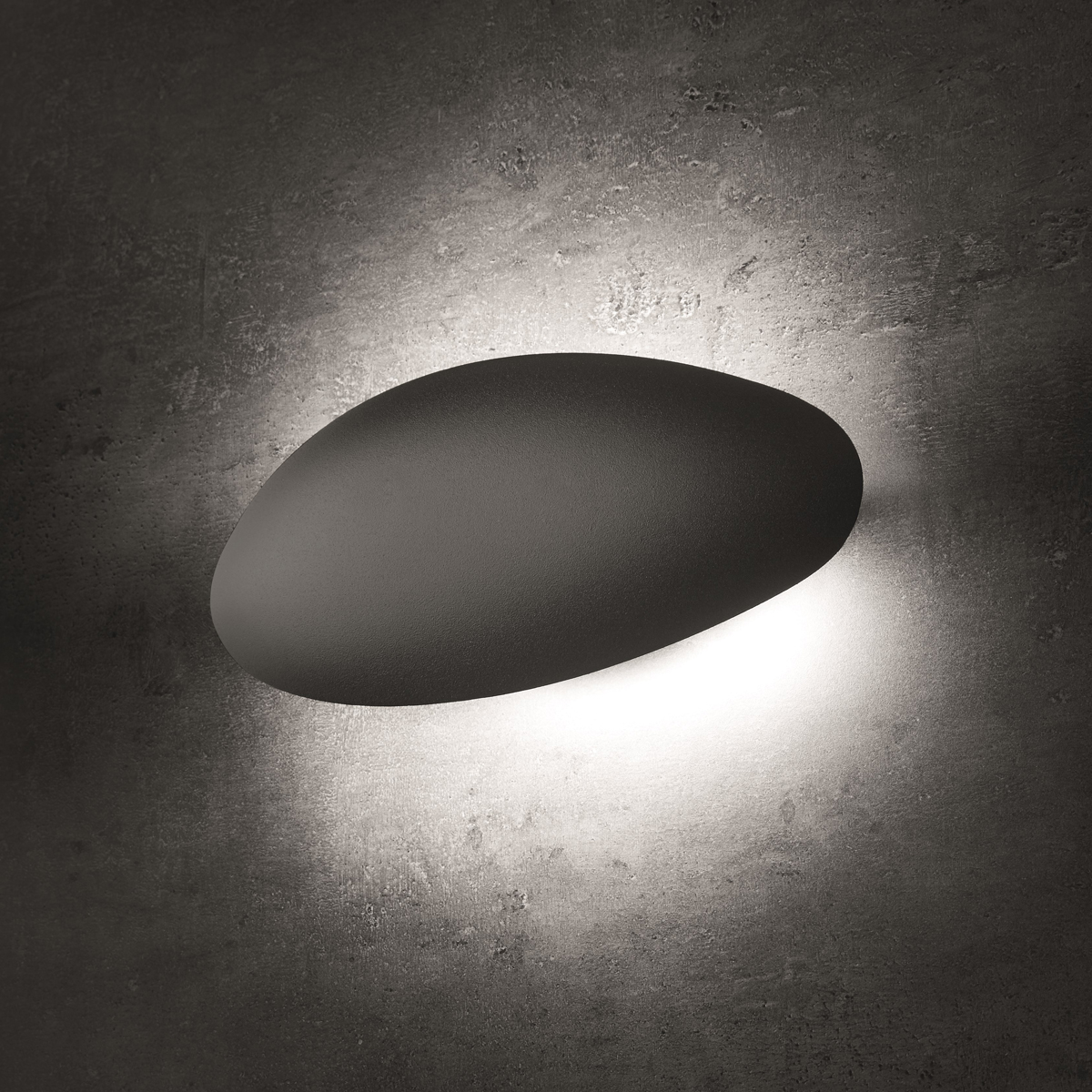
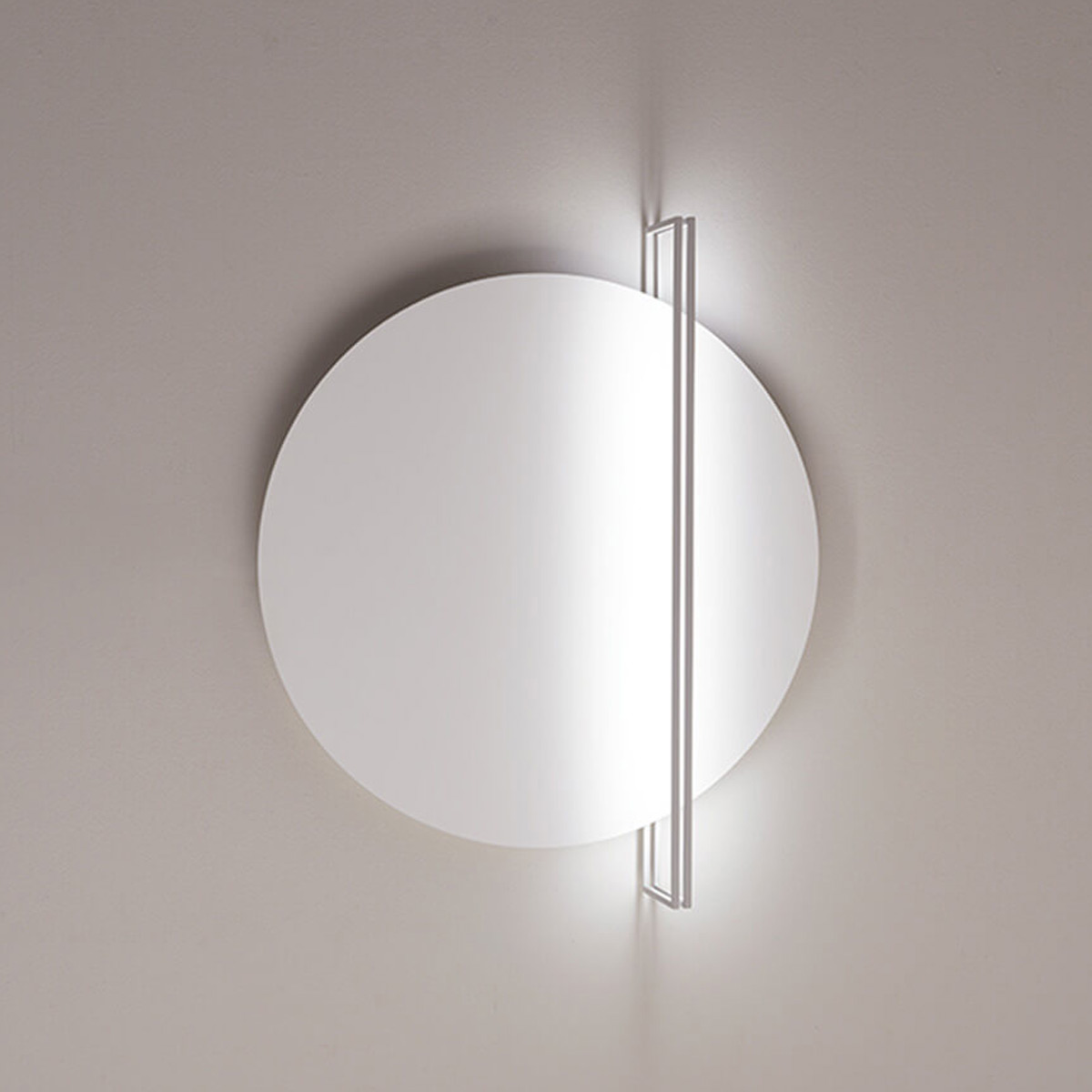
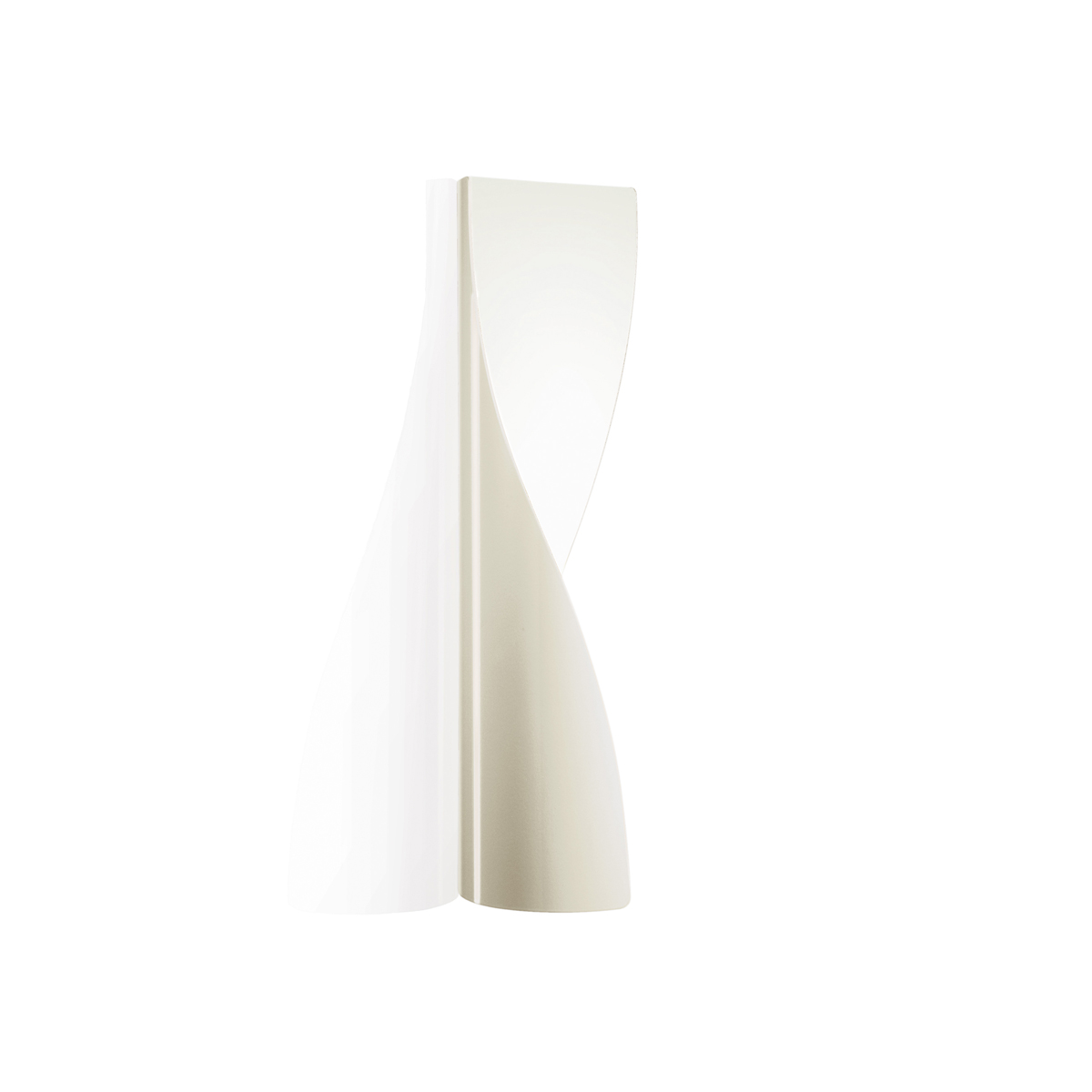
2. Wall Lights with Uplight
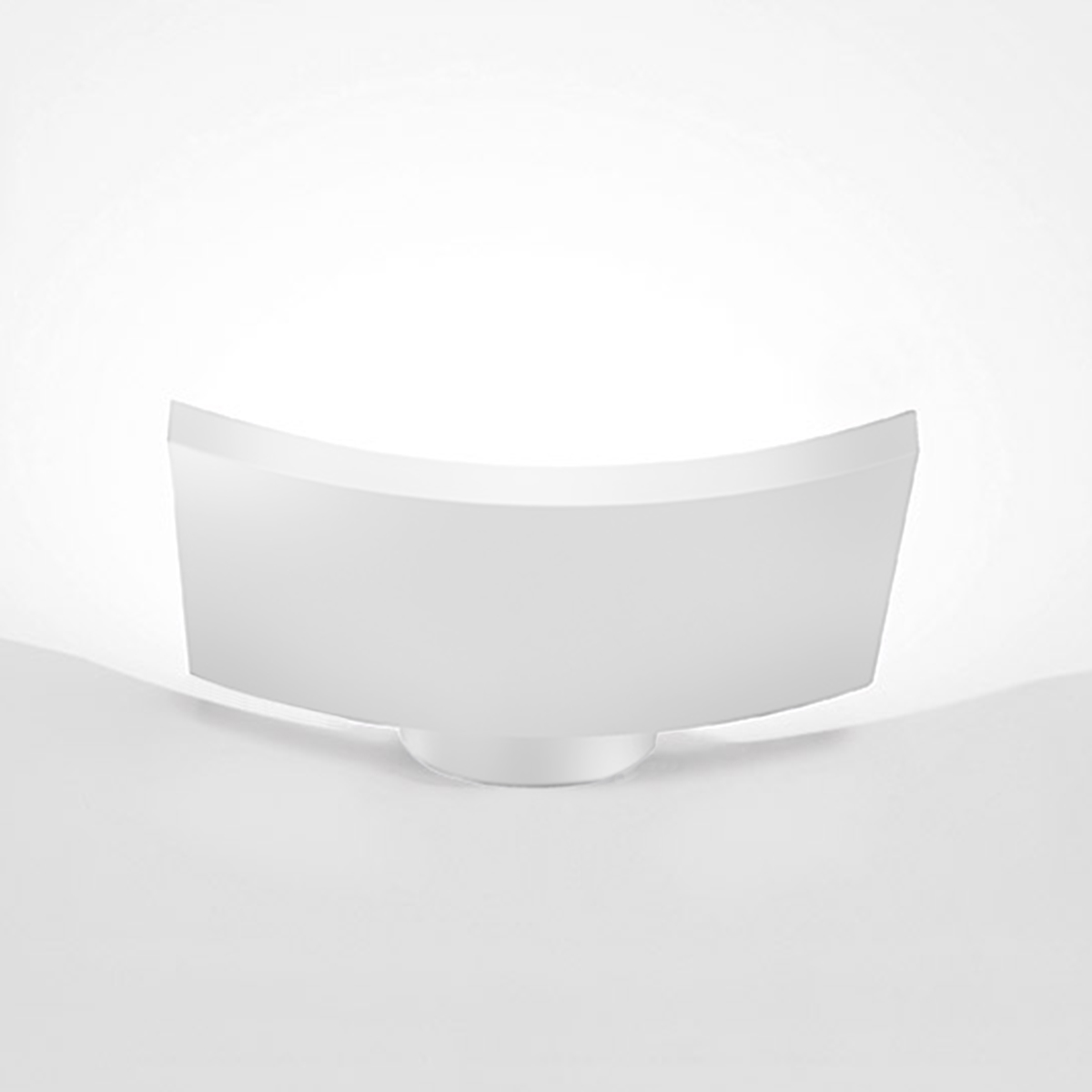
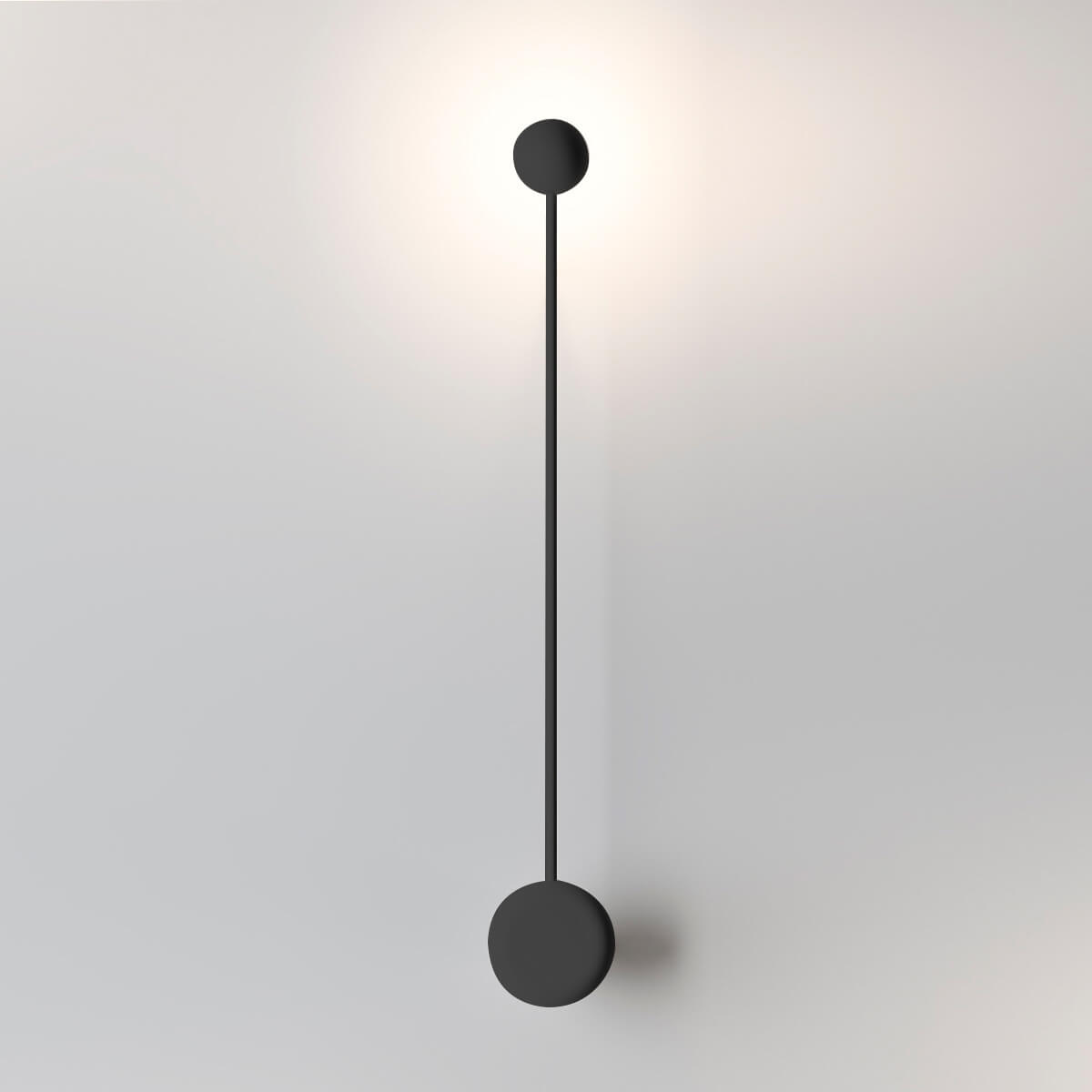
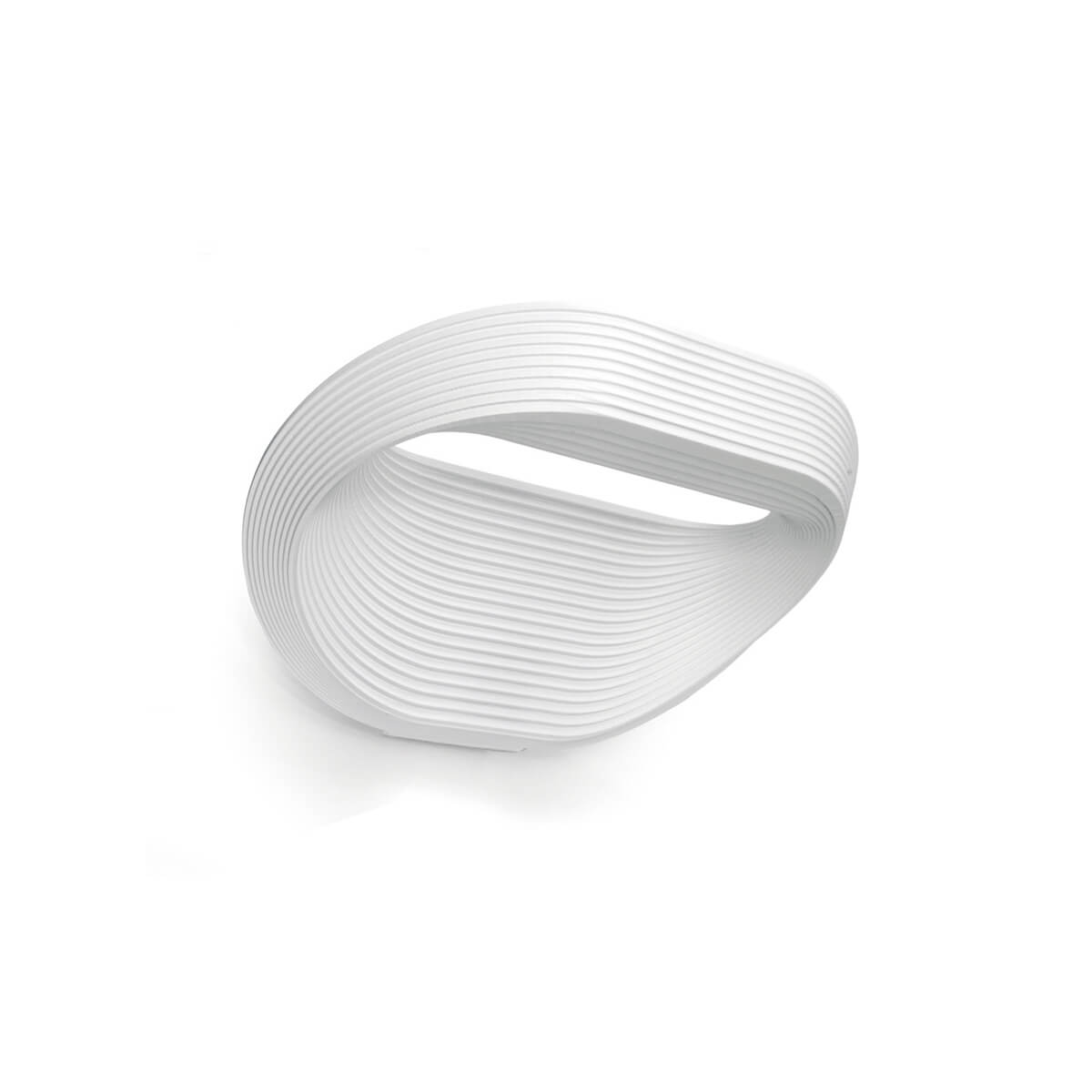
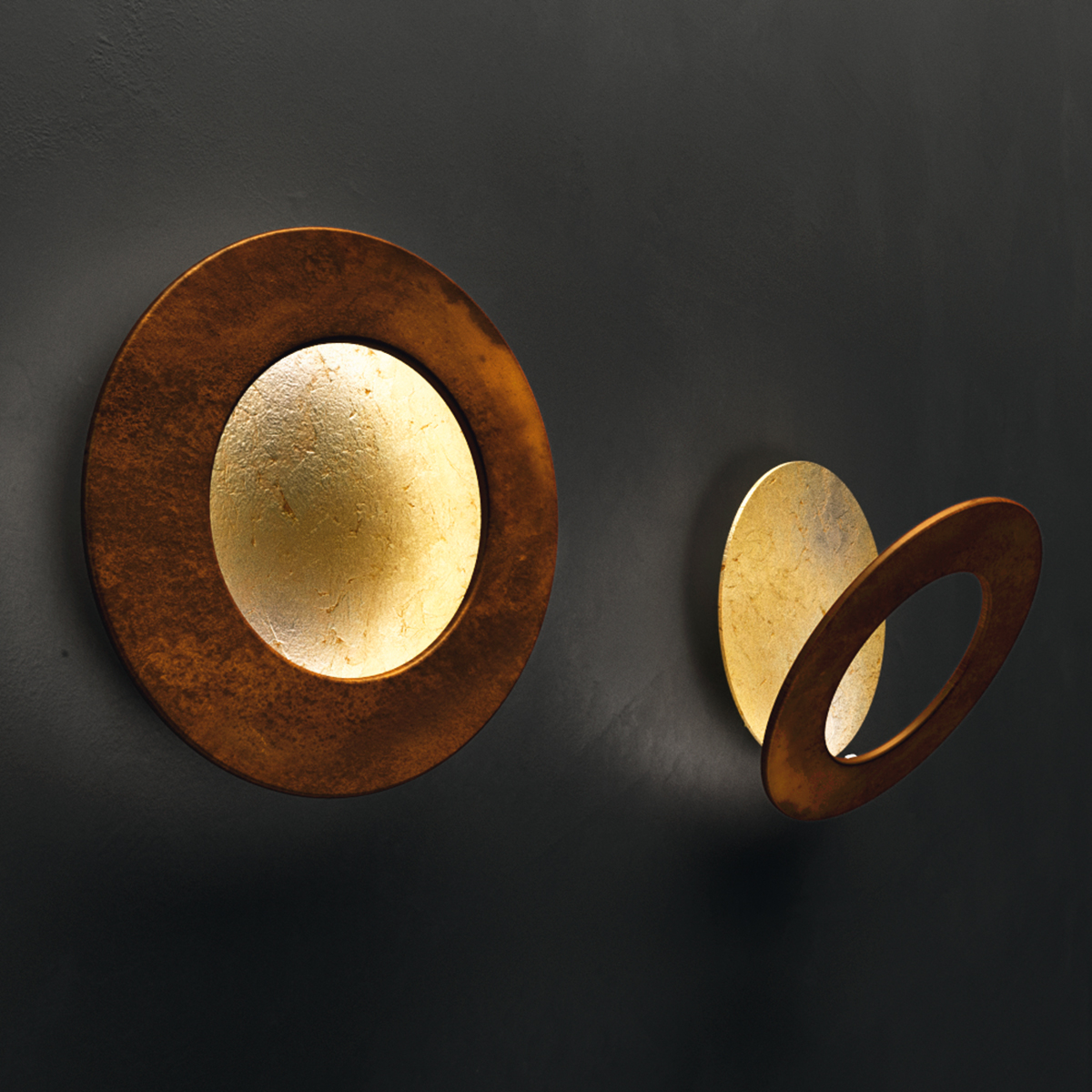
Wall lights that emit light upward illuminate vertical surfaces and create vertical brightness. By washing walls with light, they make spaces appear brighter, larger, and more inviting—perfect for hallways, living rooms, hotel lobbies, or museums. Wall lights with lenses can also create decorative lighting effects. Light beams and refined light-and-shadow patterns add attractive visual highlights to interior walls.
3. Pendant Lights with an Indirect Light Component
Many modern pendant lights emit light both upward and downward. The indirect component adds atmosphere and can visually expand the space while complementing the functional direct light. Because uplight and downlight are often controllable separately, the lighting mood can be adjusted flexibly depending on the time of day, occasion, or desired ambience.
4. Outdoor Wall Lights with Uplight
Outdoor luminaires with indirect light are often used to highlight façades, walls, or architectural lines. Depending on their design, they create decorative beams of light or atmospheric façade illumination. In architectural lighting design, these fixtures are commonly used to illuminate buildings, entrance areas, or terraces at night. Indirect lighting on exterior walls not only improves orientation but also adds depth and visual expression to architecture.
5. In-Ground Lights
In-ground luminaires illuminate walls, columns, and façades from below. The reflected light spreads softly into the surrounding area while highlighting architectural structures. This type of lighting is particularly common in public buildings, hotels, entrance areas, and landscaped gardens. In addition to decorative effects, it also improves orientation and safety outdoors.
6. LED Strips (Indirect LED Lighting)
LED strip lighting is extremely versatile and widely used for indirect illumination:
- behind suspended ceilings
- integrated into furniture
- behind televisions
- under beds
- inside niches or shelving
- along mouldings and architectural profiles
Because LED strips provide glare-free, evenly diffused light, they create a comfortable and atmospheric ambience. They are especially popular in living rooms, bedrooms, and hotels for decorative lighting.
Where Is Indirect Lighting Used?
Interior Spaces
- living rooms
- bedrooms
- hallways
- staircases
- TV areas
- wellness areas
- under kitchen cabinets
Outdoor Areas
- façades
- terraces
- entrance areas
- garden architecture
How to Combine Indirect and Direct Lighting Effectively?
A room illuminated exclusively with indirect lighting can quickly appear:
- monotonous
- flat
- lacking definition
For this reason, a combination of indirect lighting (atmosphere) and direct lighting (function) is recommended. This creates a balanced, dynamic, and practical lighting environment.
Frequently Asked Questions About Indirect Lighting
What Is Indirect Lighting?
Light that is reflected from ceilings or walls and therefore appears soft and glare-free.
Is Indirect Lighting Suitable as the Only Light Source?
No. It should always be complemented with direct lighting. Because indirect light spreads diffusely throughout the space, it is not suitable for precise visual tasks and can quickly appear monotonous
Which Fixtures Provide Indirect Lighting?
Torchiere floor lamps, wall lights with uplight, LED strip lighting and luminaires with an indirect light component.
Can Indirect Lighting Cause Glare?
Very rarely. The light source is usually concealed, so glare is almost completely avoided.
How Bright Should Indirect Lighting Be?
This depends on ceiling height, reflective surfaces, and the desired atmosphere. Light-coloured surfaces and lower ceilings reflect more light than higher ceilings or dark, textured surfaces.
In Summary
Indirect lighting creates a particularly soft, harmonious, and comfortable lighting effect. It enhances ambience, supports ambient lighting, and highlights architectural features. However, indirect light alone is not sufficient—only when combined with direct lighting does it form a balanced and functional lighting concept. With the right luminaires and high-quality LED light sources, indirect lighting can be used in many ways both indoors and outdoors.
At Leuchtenland.com, you will find a wide selection of luminaires that utilise indirect lighting—from in-ground lights and torchiere floor lamps to elegant wall lights.