
Direct Lighting — Effect, Applications & Suitable Fixtures
What Is Direct Lighting?
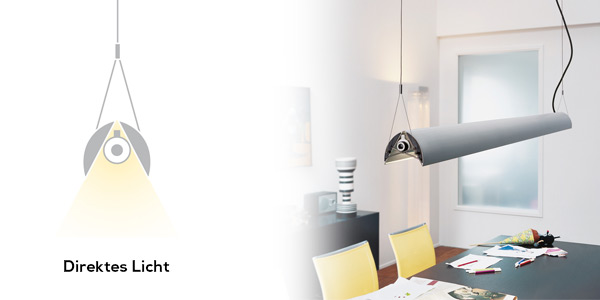
Direct lighting describes light that falls directly and purposefully onto a surface or visual task without reflection or detours. The majority of the luminous flux—typically 90 to 100 percent—reaches the illuminated area immediately. The light may come from above, from the side or from a focused direction, and therefore belongs to the category of directional lighting.
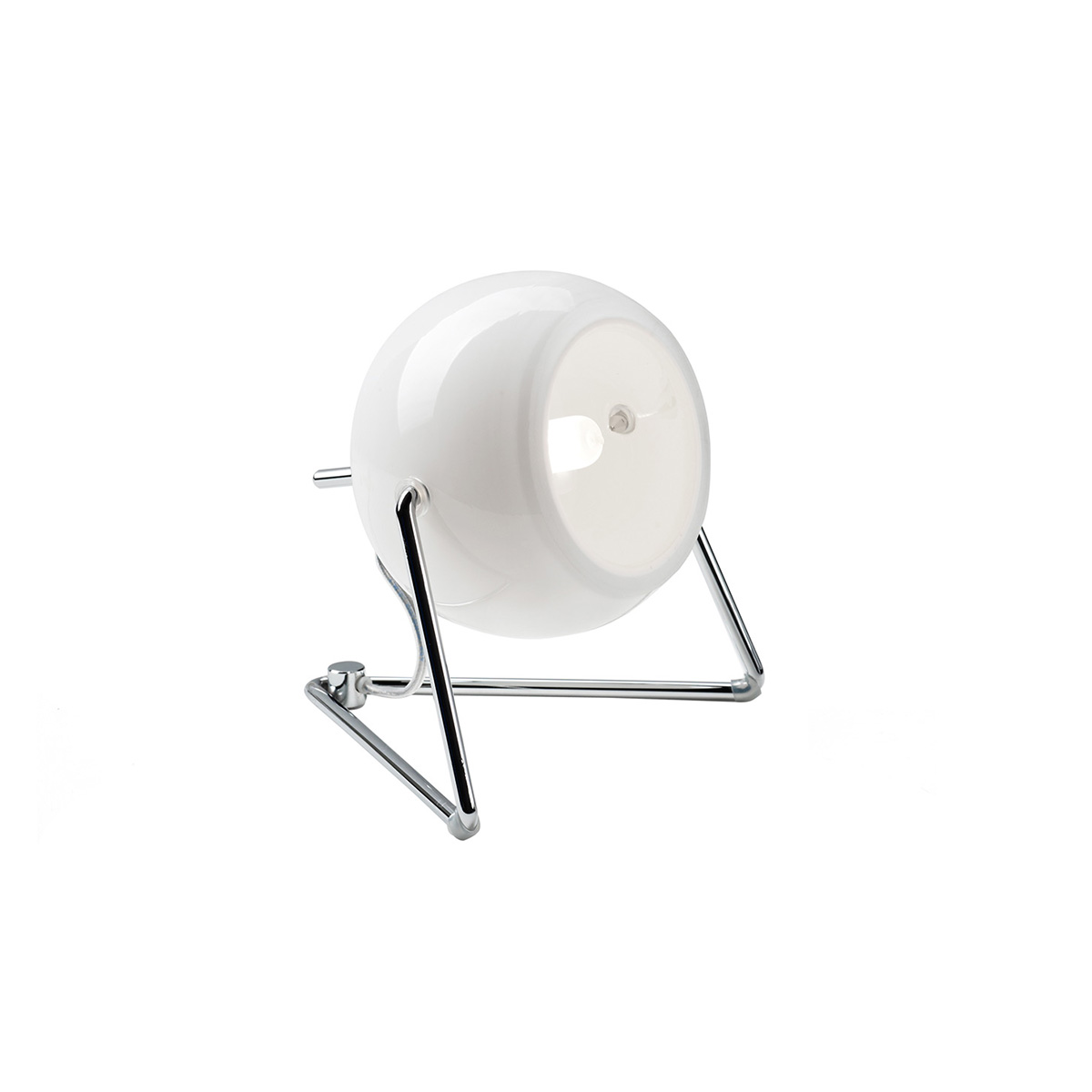
A specific form of direct lighting is focused or concentrated light, as produced by spotlights, directional spots, or other point light sources. With narrow beam angles, a precise light cone is created, highlighting details or modelling specific objects.
What Is Direct Lighting Used For?
Direct lighting serves both decorative and functional purposes.
Decorative Effect
Direct light highlights selected areas with precision:
- furniture pieces
- artworks
- architectural elements
- specific zones within a room
The resulting shadows and contrasts add structure and visual depth. Carefully positioned accent lighting creates “light islands” that prevent a flat, shadow-free atmosphere. Fixtures with direct light are therefore the perfect complement to general ambient lighting, which primarily provides overall brightness.
Task Lighting
Wherever a visual task is involved, direct light is essential:
- working at a desk
- cooking on a kitchen island
- reading in an armchair
- tasks at a workbench or home office
Direct lighting supports the eye, enhances detail visibility, and enables efficient work. However, balanced lighting design is crucial. Excessively harsh contrasts or strong shadows may cause visual fatigue and reduced concentration. Ideally, direct lighting is combined with soft indirect lighting to create a comfortable visual environment.
Which Fixtures Provide Direct Light?
Numerous luminaires are specifically designed for direct lighting. Used individually, they accentuate specific zones; arranged in groups, they can create even room illumination.
Typical Indoor Fixtures with Direct Light Output
- downlights and recessed spotlights
- spotlights for accent lighting
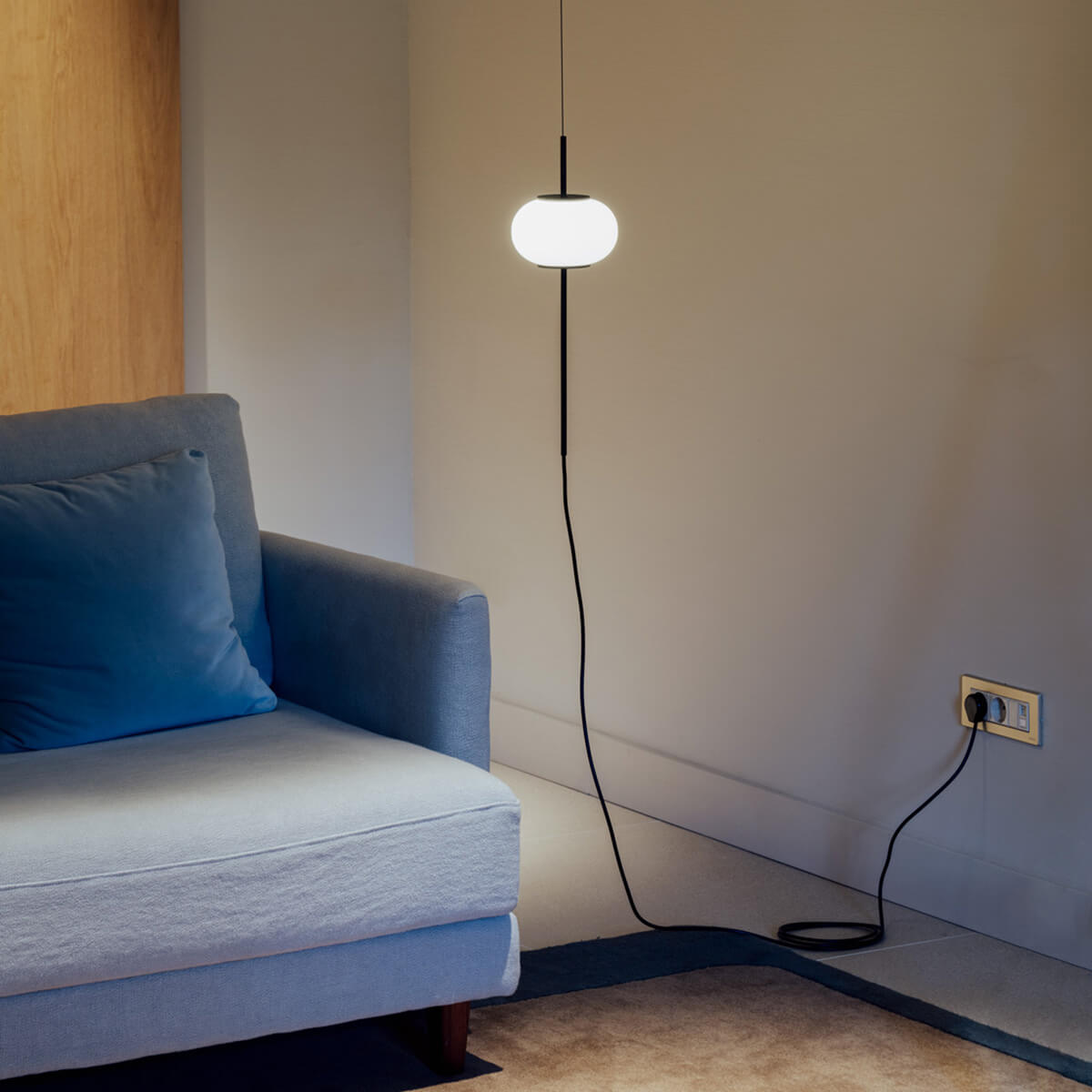
- pendant lights with downward light distribution (e.g., above dining tables)
- picture lights for artworks
- wall lights with downward light emission
- desk lamps for office and home office use
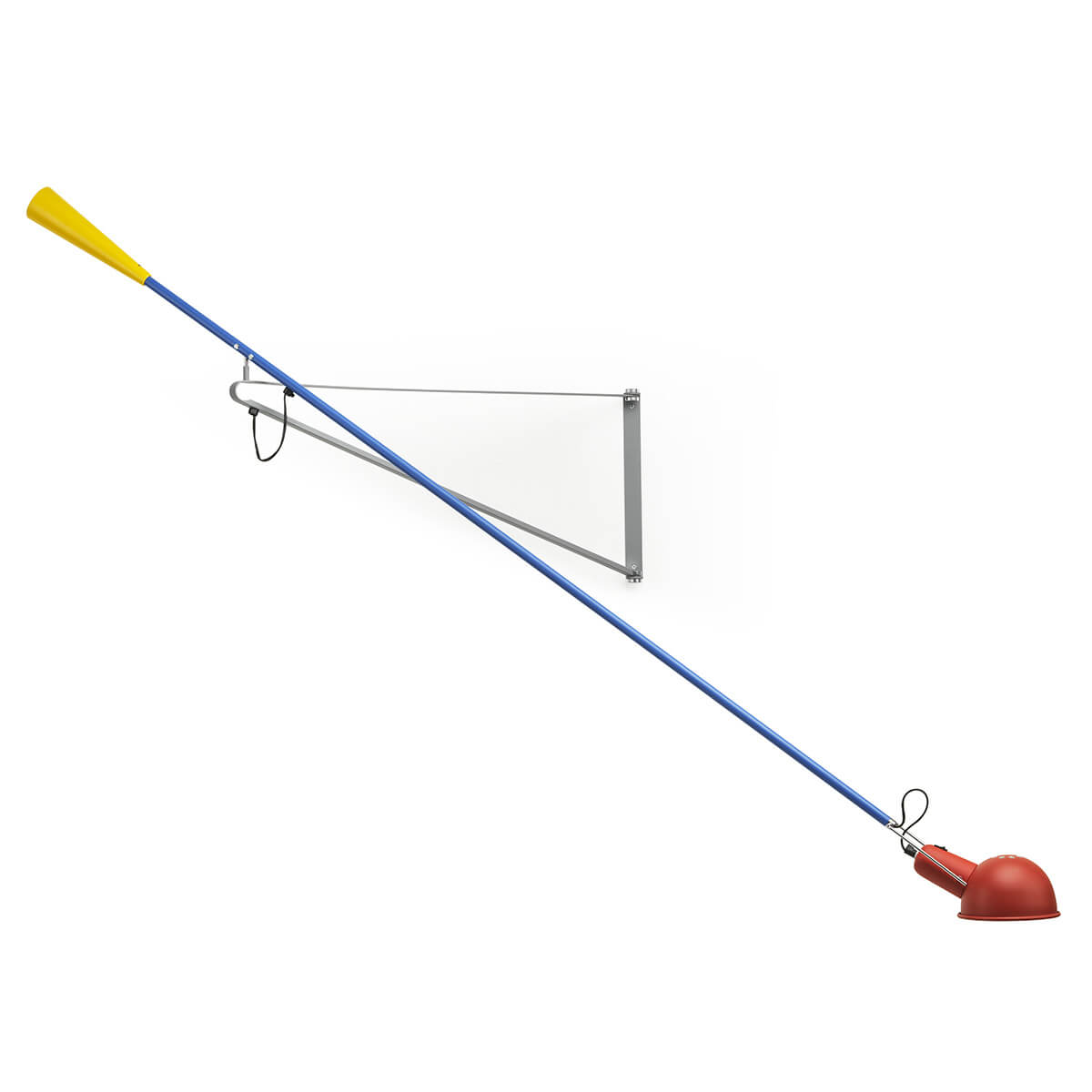
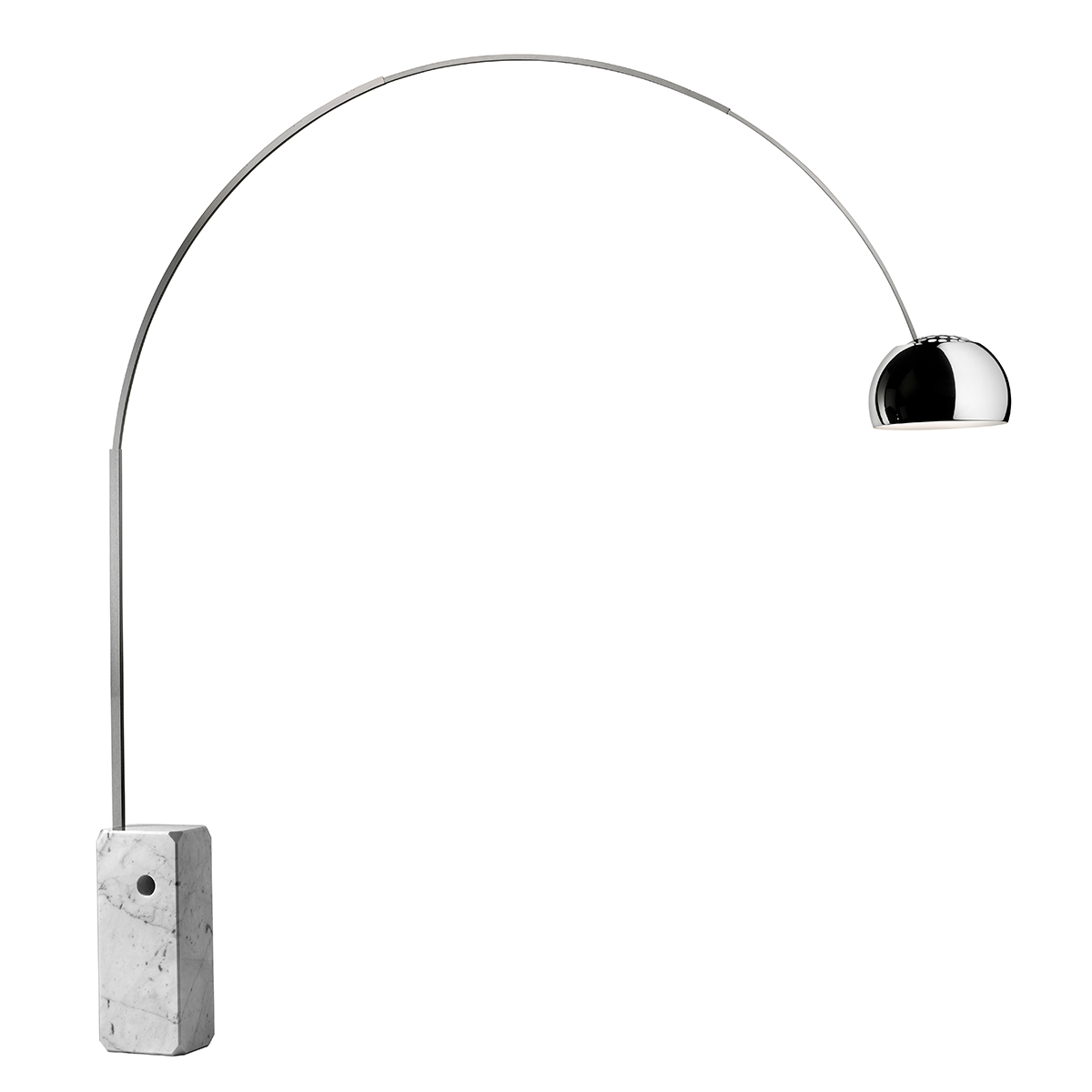
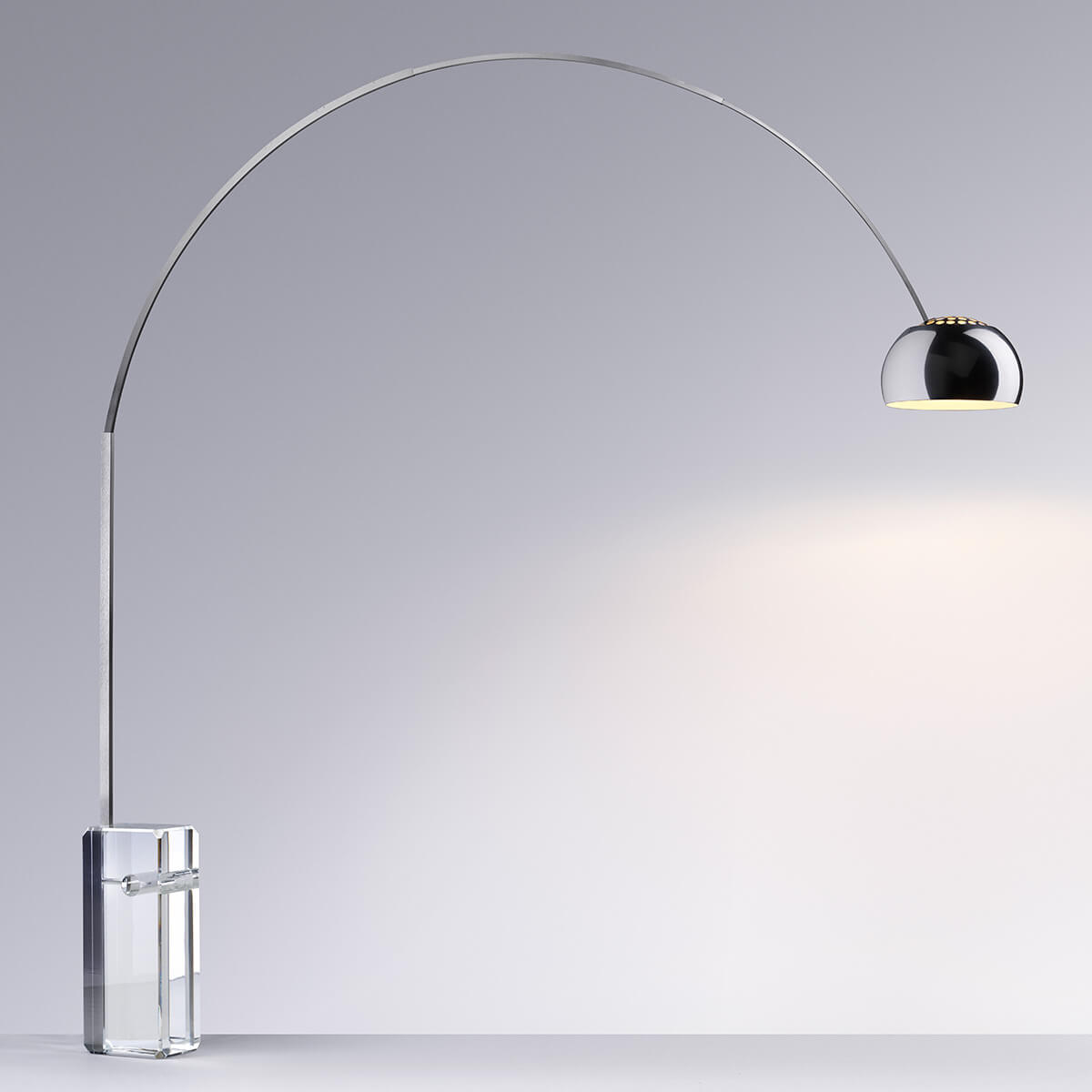
- floor lamps with reading arms
- mirror lights in bathrooms
Direct Lighting for Outdoor Spaces
- bollard lights for pathways and driveways
- outdoor wall lights for entrances
- lanterns and post lights
- downlights for terraces or roof overhangs
These fixtures provide orientation and safety while also creating atmospheric lighting accents for gardens and façades.
Why Is Direct Lighting Important for Spatial Impact?
Direct light:
- adds structure to a room
- creates visual contrast
- highlights materials and textures
- supports visual tasks
- complements diffuse or indirect light with focus and dynamism
Lighting that is purely diffuse or indirect can quickly appear flat and lacking definition. Direct light introduces depth, clarity, and functional precision.
Examples of Direct Lighting Applications
Living Spaces
- pendant lights above dining tables or kitchen islands
- reading lamps beside sofas or beds
- spotlights illuminating shelves or artworks
Work Areas
- desk lamps in offices
- floor lamps with adjustable reading lights
- precision lighting for commercial workstations
Outdoor Areas
- pathway lighting
- house number and entrance lighting
- terrace downlights
- accent lighting for gardens and façades
Direct lighting is essential wherever orientation, safety or specific visual tasks are required.
Frequently Asked Questions About Direct Lighting
What Is Direct Lighting?
Light that shines directly onto a surface or task without reflection—such as from spotlights, downlights, or pendant lights.
Why Is Direct Light Important?
It highlights objects, structures a space, and enables precise visual tasks while maintaining visual comfort when properly balanced.
Which Fixtures Provide Direct Light?
Spotlights, pendant lamps, wall lights, desk lamps, and many outdoor luminaires.
Is Direct Lighting Sufficient on Its Own?
Usually not. It should be combined with indirect or diffuse lighting to avoid glare and harsh shadows.
How Does Direct Light Affect a Room?
It creates contrast, structure, and emphasis, adding both visual impact and functional clarity.
In Summary
Direct lighting is an essential component of balanced lighting design. It enhances clarity, highlights details, and supports visual tasks—both in private homes and commercial environments. When combined with indirect or diffuse light, it creates a harmonious, functional, and aesthetically refined lighting concept. At Leuchtenland.com, you will find a wide selection of indoor and outdoor fixtures with direct light output—elegantly combining performance and design.