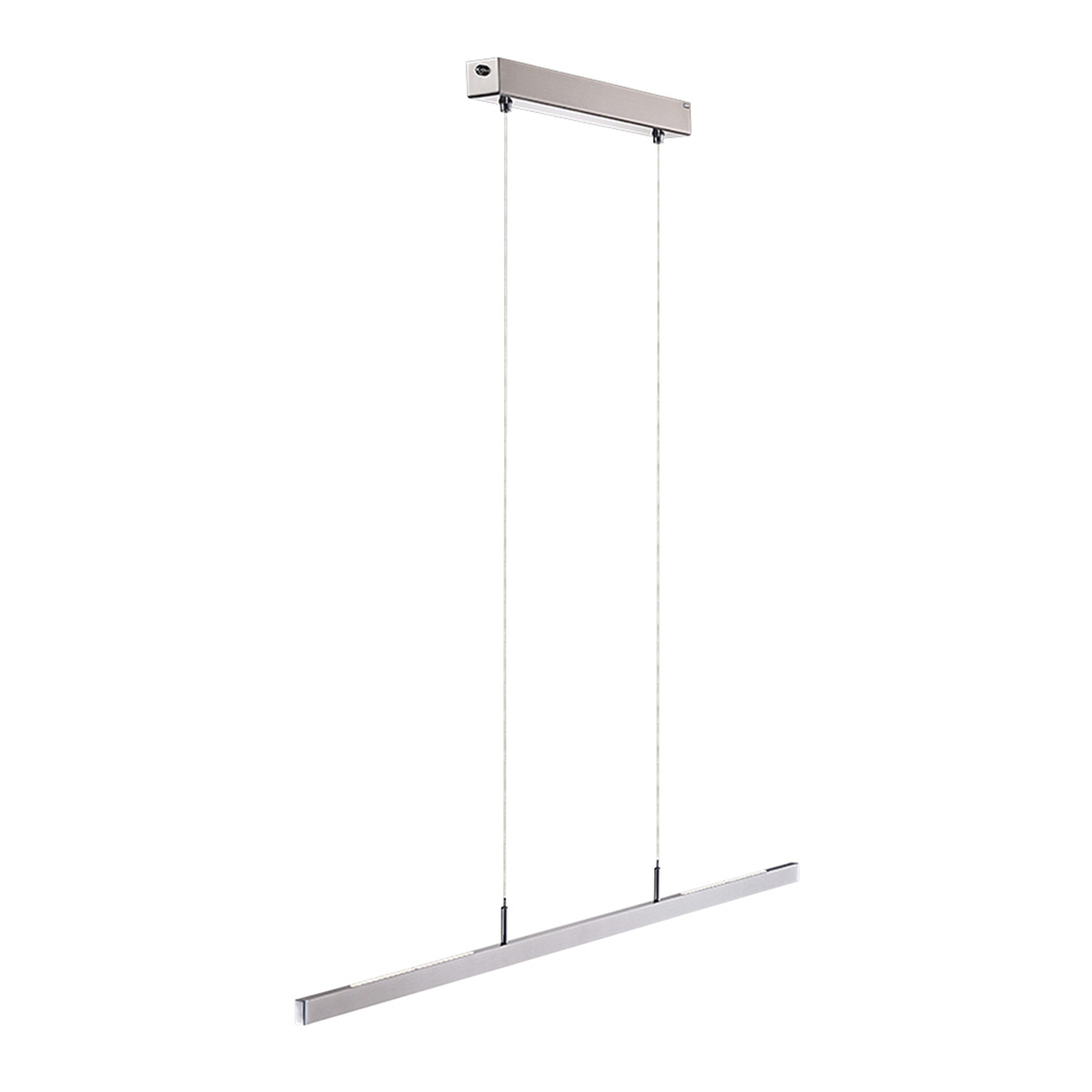

Direct and Indirect Lighting
What Is Direct and Indirect Lighting?
Direct and indirect lighting are two fundamental types of light distribution that are often combined in modern lighting design. While direct light is aimed precisely at a surface or visual task, indirect light is reflected off surfaces such as walls or ceilings and then distributed softly throughout the space. Depending on the direction in which most of the luminous flux is emitted, lighting may also be described as indirect lighting with a direct component or direct lighting with an indirect component. The combination of both lighting types creates a harmonious, functional, and atmospheric lighting effect—whether in living spaces, offices, hotels, or representative architectural environments.
What Does Direct Lighting Mean?
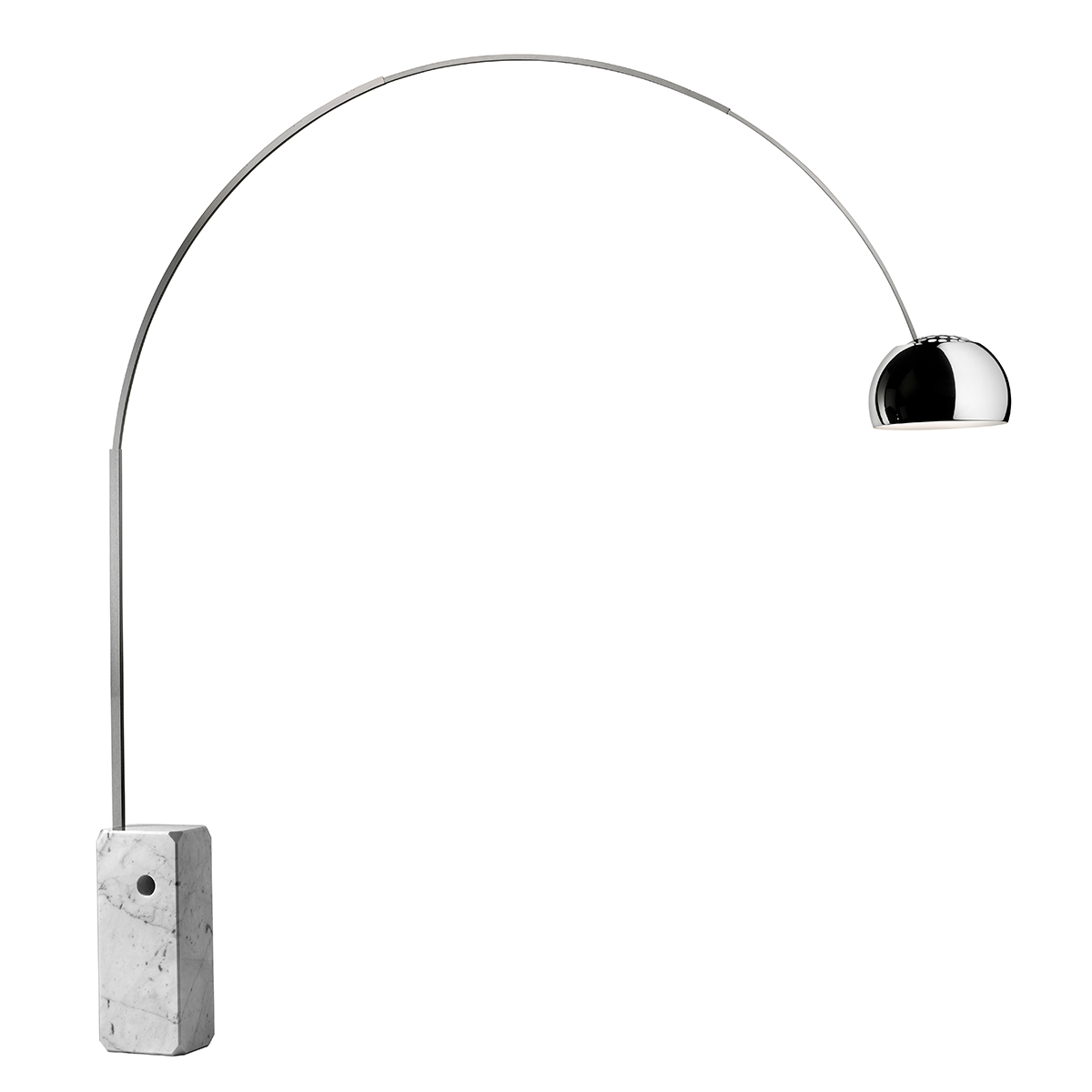
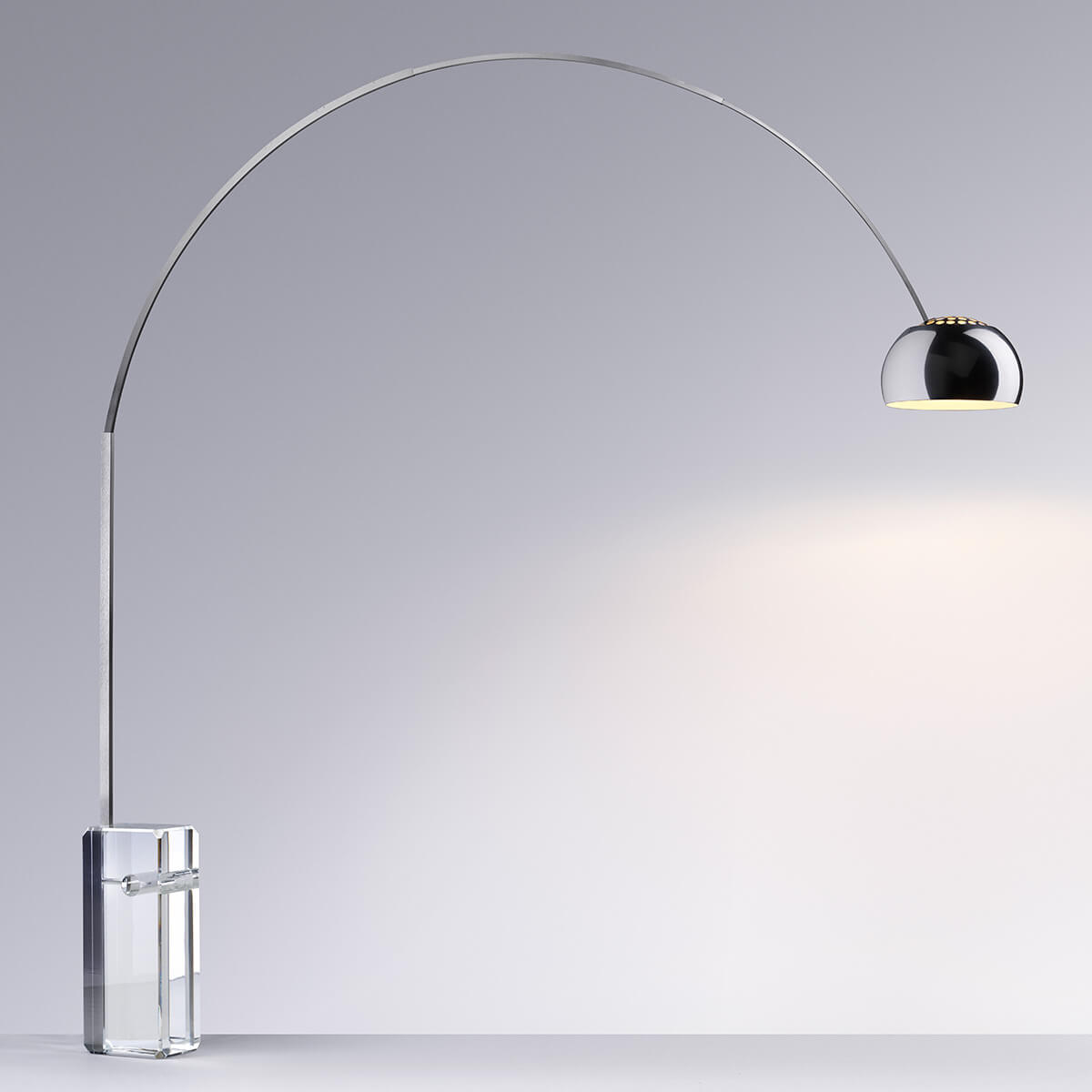
Direct lighting refers to light that shines directly onto a surface without reflection. It directs illumination precisely where it is needed—for example onto a table, a workspace or a specific object.
Typical Characteristics:
clear, focused, and functional
creates shadows and contrasts
ideal for tasks requiring visual precision
Typical Fixtures Providing Direct Light:
pendant lights above dining tables
reading lamps
desk lamps
spotlights and directional spots
Direct lighting highlights materials and textures, creates dynamic spatial structure and is essential for functional lighting design because it supports specific visual tasks.
What Does Indirect Lighting Mean?
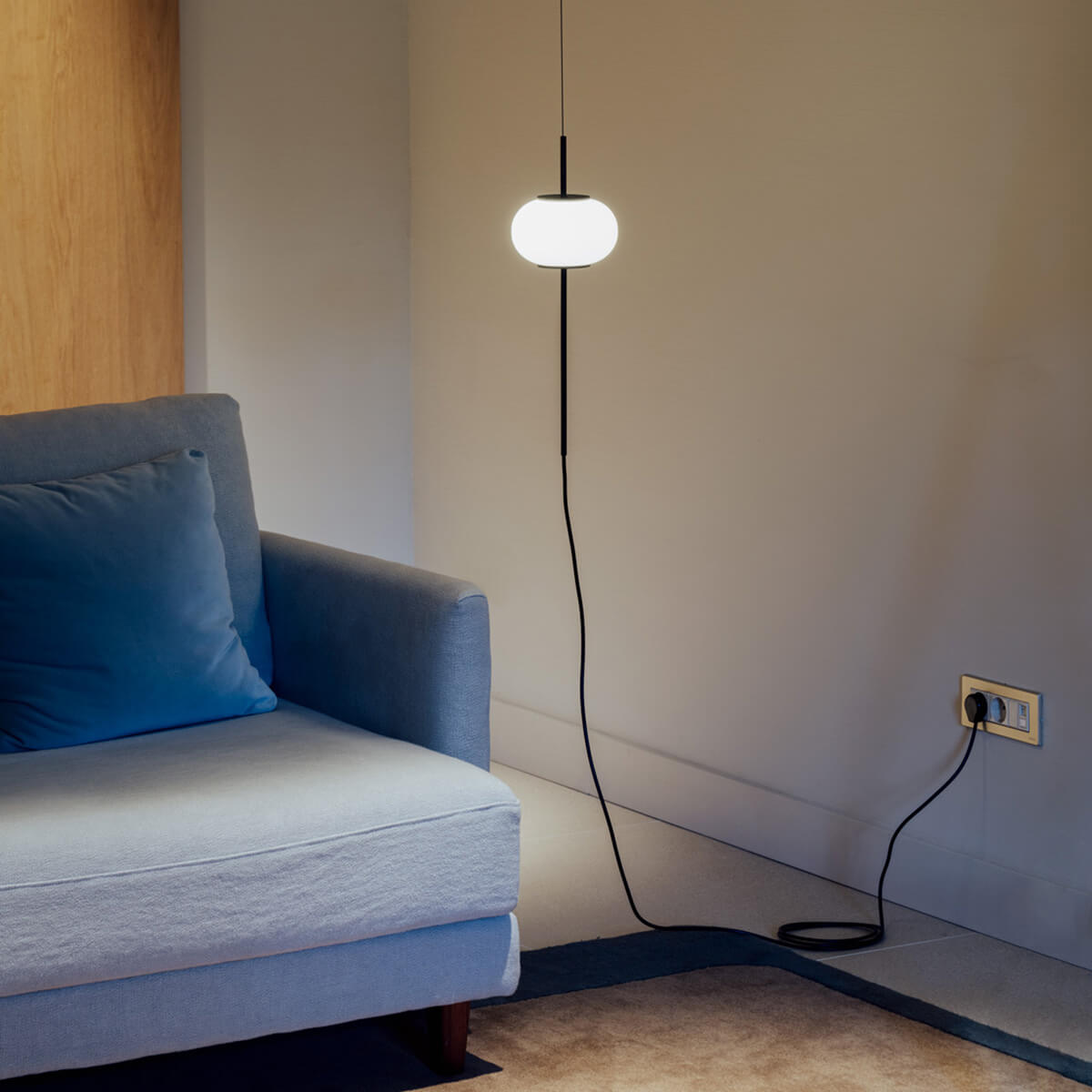
Indirect lighting is first directed onto a reflective surface—such as a wall, ceiling, or furniture edge—and then reflected into the room. This creates a soft and low-shadow lighting effect.
Typical Characteristics:
glare-free and comfortable
ideal as ambient lighting
creates harmony and calm
softens harsh shadows
Typical Fixtures Providing Indirect Light:
Indirect lighting creates an atmospheric environment, contributes to a balanced base level of brightness and is a key element of modern residential lighting design.
What Is the Benefit of Combining Direct and Indirect Lighting?
A combined direct-and-indirect lighting concept merges the advantages of both lighting types. This approach:
improves overall light quality
creates balanced brightness levels
reduces harsh shadows
still provides functional lighting for tasks
produces warm, design-driven lighting atmospheres
For this reason, professional lighting design frequently uses a combination of both light types. This can be achieved either by placing different light sources throughout a space or by using luminaires that emit both direct and indirect light
Which Fixtures Provide Both Direct and Indirect Light?
Many modern luminaires combine both lighting components within a single fixture.
Examples of Fixtures with Direct and Indirect Light:
floor lamps with uplight and downlight (often used in offices and living spaces)
pendant lights with dual light emission (table lighting plus ceiling illumination)
ceiling lights with multiple light outputs
wall lights with uplight and downlight functions (ideal for hallways, living rooms and façades)
Such luminaires often feature multiple LEDs or optical systems that are oriented in different directions. Some models also allow both light components to be controlled separately to create flexible lighting scenes
Practical Examples
Workplace Lighting
Direct and indirect lighting play an important role in modern workplace illumination. Floor lamps with combined direct and indirect light are particularly effective. While the indirect component provides even ambient brightness throughout the room, the direct light is aimed precisely at the desk. This creates optimal visual conditions for screen work, reading or focused tasks.
High-quality office floor lamps feature precision reflectors and glare-control technology to prevent disturbing glare or screen reflections. Many modern models also include presence sensors or daylight sensors that automatically adjust light output according to surrounding brightness, improving both energy efficiency and ergonomic lighting conditions. Examples include the Force One LED floor lamp by Nimbus, the Slice² Floor by serien.lighting and the Koi floor lamps by Belux.
Living Room
In living rooms, the combination of direct and indirect lighting creates a balanced atmosphere. Direct light may illuminate the dining table, reading corner or specific living areas, while indirect lighting provides comfortable ambient brightness.
A typical example is a pendant lamp above a dining table that emits downward light for the table surface while simultaneously illuminating the surrounding space. Ideally, both light components can be controlled separately, allowing different lighting moods for dining, relaxing or social gatherings. For reading areas next to sofas or armchairs, torchiere floor lamps with integrated reading lights are particularly effective. The uplight reflects light softly onto the ceiling while the reading arm provides focused, glare-free illumination.
Accent Lighting Indoors and Outdoors
In interior architecture, direct and indirect lighting are often combined for accent lighting. Fixtures with uplight and downlight create decorative effects while emphasising architectural structures.
On façades, such luminaires produce striking beams of light that structure walls and dramatically highlight buildings at night. Indoors, wall lights or designer luminaires with both direct and indirect light create visually dynamic lighting effects, emphasising materials and adding depth to interior spaces. Examples include the Puk lamps by Top Light and the Sento verticale by Occhio, both combining high-quality materials with precise lighting technology.
Advantages of Combined Direct and Indirect Lighting
optimal balance between functionality and atmosphere
harmonious luminance distribution
reduced glare and harsh light
greater spatial depth and structure
flexible use for different lighting scenarios
enhances architecture and interior design
When Is the Combination Particularly Useful?
in spaces focused on comfort (living rooms, bedrooms)
at workstations with high visual comfort requirements
in hallways and circulation areas to highlight walls
for dining table lighting that should be both functional and atmospheric
in offices and home offices to meet workplace lighting standards
Frequently Asked Questions About Direct and Indirect Lighting
What Is the Difference Between Direct and Indirect Lighting?
Direct light shines directly onto a surface, while indirect light is reflected from ceilings or walls and spreads softly throughout the room.
Which Fixtures Provide Both Types of Light?
Floor lamps, pendant lights, wall lights, and ceiling systems with combined uplight and downlight.
Is Indirect Light Better for the Eyes?
Indirect light is generally perceived as more comfortable because it is glare-free and produces fewer harsh shadows.
Can Indirect Light Replace Task Lighting?
No. Precise visual tasks always require a direct lighting component.
Is Direct and Indirect Lighting Energy Efficient?
Modern LED luminaires provide both light components very efficiently and can often be dimmed. Models with motion sensors or separately controllable uplight and downlight can further optimise energy consumption.
In Summary
Direct and indirect lighting together form one of the most effective lighting solutions in interior design and professional lighting planning. While direct light provides functionality and precision, indirect light creates a soft and harmonious ambient atmosphere. Combining both lighting types enables balanced, flexible, and high-quality lighting concepts—ideal for living spaces, workplaces, and architectural accents.
At Leuchtenland.com, you will find a wide selection of luminaires that combine direct and indirect light—modern, energy-efficient, and perfectly suited for sophisticated lighting concepts.