
Diffuse Lighting Explained
Diffuse Light in Interior Design — How Soft, Even Lighting Is Created
Diffuse lighting describes a type of light distribution in which light spreads evenly, softly and without a defined direction throughout a space. Unlike direct lighting, the light is not concentrated on a specific point but distributed across a wider area. The result is a shadow-soft, harmonious, and comfortable level of ambient brightness that plays an important role in interior design.
Diffuse light is particularly suitable when spaces should feel calm, cosy, and balanced—for example in living rooms, bedrooms, hallways, or open-plan interiors.
How Is Diffuse Light Created?
Diffuse light occurs when light sources do not emit light in a concentrated manner, but rather scatter it throughout the room. This can be achieved through several design elements.
Large Light-Emitting Surfaces
Luminaires with large illuminated surfaces, such as:
ceiling lights with satin acrylic diffusers
opal or frosted lampshades
LED panels or large lighting modules
These elements scatter the light and prevent harsh shadows.
Diffusers and Lampshades
A diffuser—made from materials such as opal glass, textile, acrylic, or polycarbonate—softens the light output of LEDs so it appears gentle and evenly distributed rather than point-like. Especially with LED boards, diffusers prevent visible light points and ensure a smooth and uniform light distribution.
Indirect Lighting
Indirect lighting is one of the most pleasant forms of diffuse illumination. In this case, the light first hits a reflective surface—such as a wall or ceiling—where it spreads and then returns softly into the room.
Examples include:
LED strips behind furniture or architectural profiles
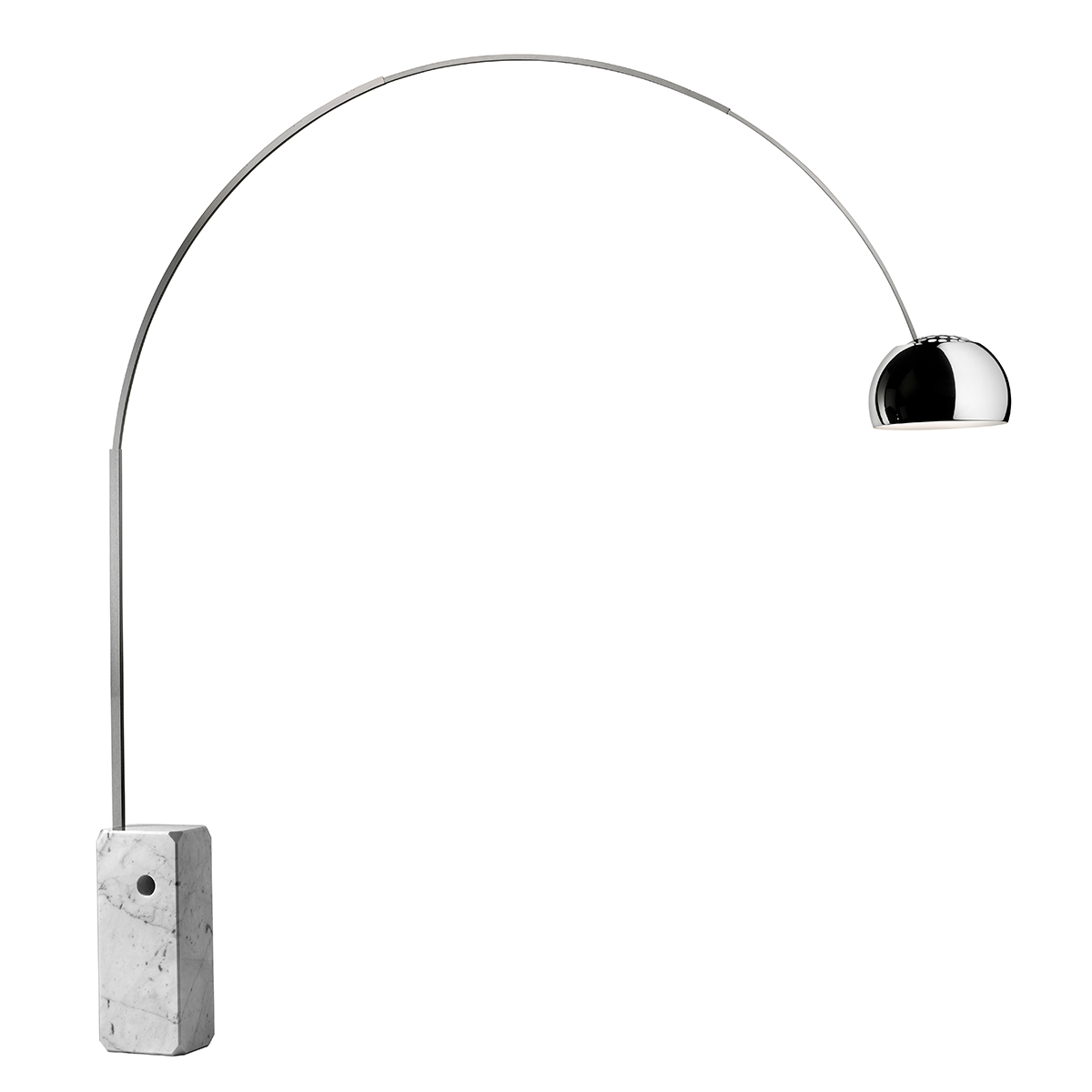
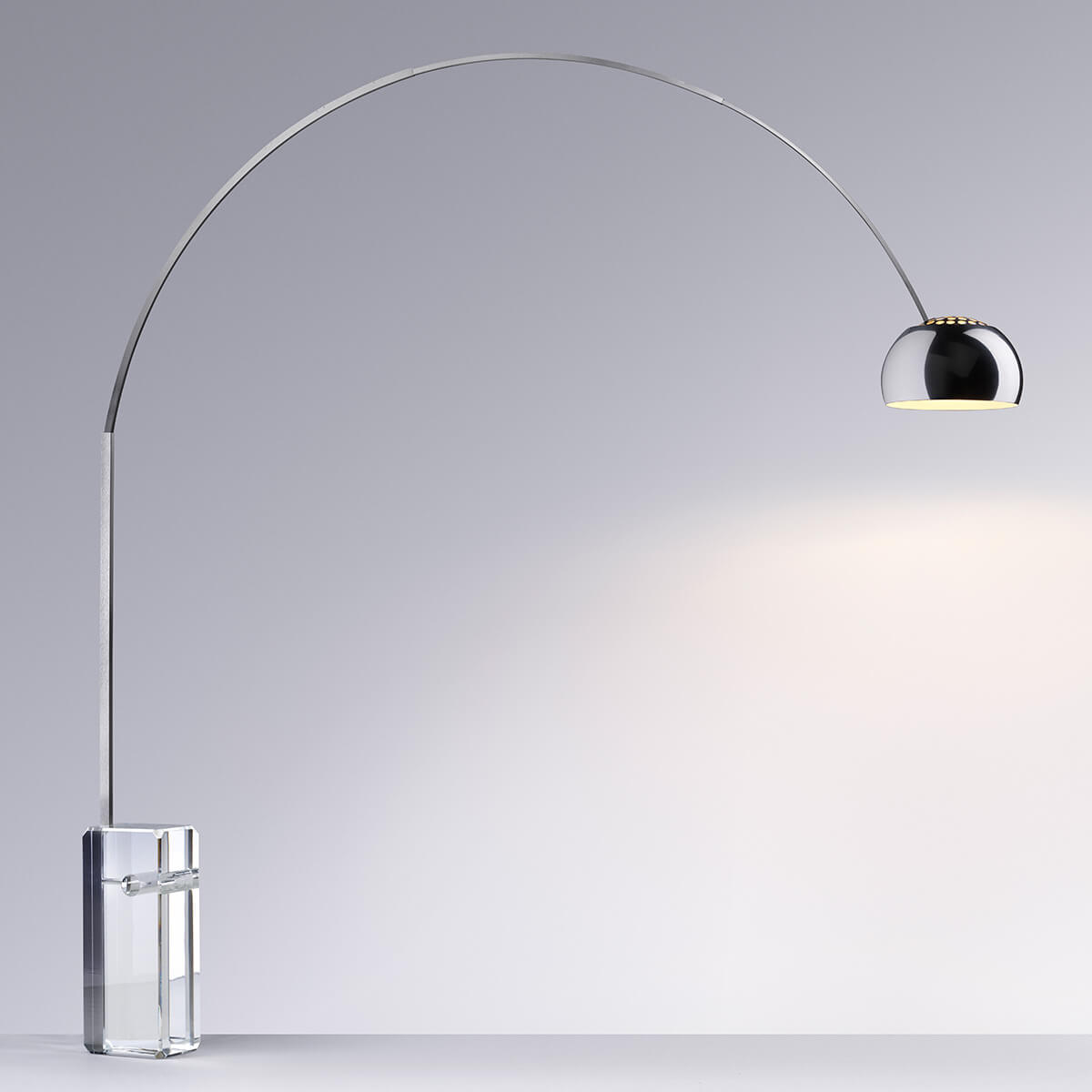
torchiere floor lamps
wall or cove lighting
Indirect lighting is a key element of modern lighting design and particularly popular in interior design.
Which Fixtures Create Diffuse Lighting?
Typical luminaires that produce diffuse lighting include:
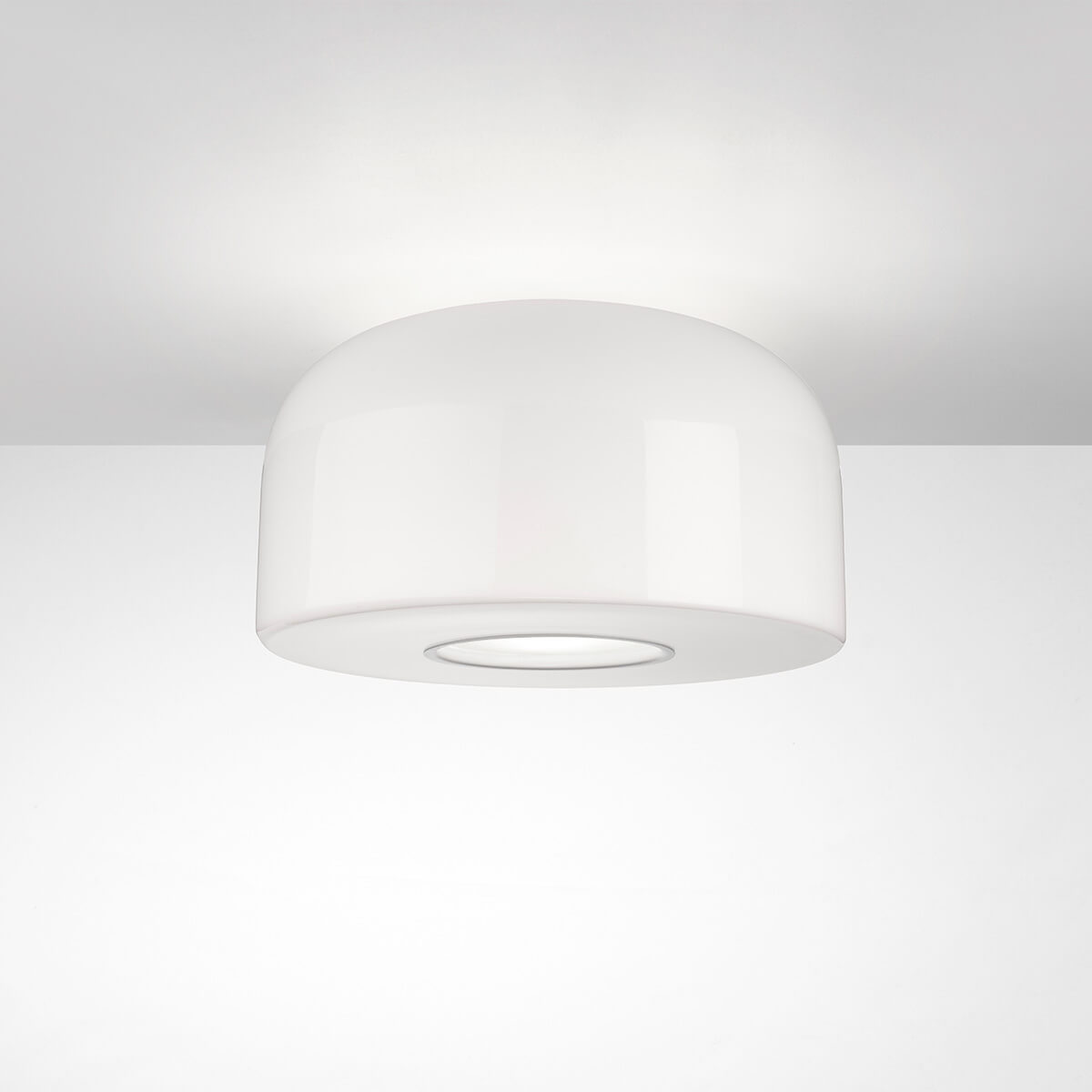
ceiling lights with opal glass or satin acrylic shades
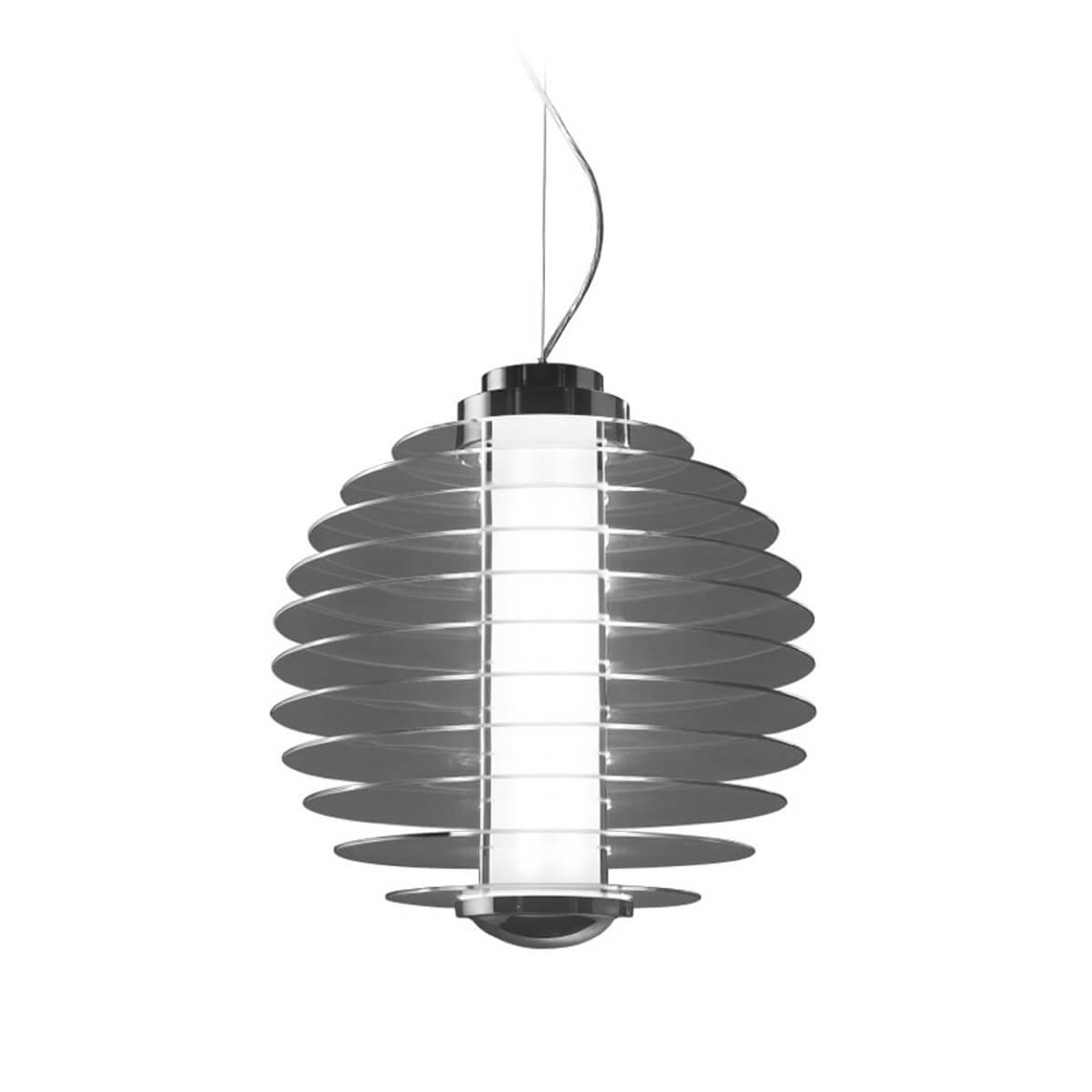
pendant lights with milky or translucent shades
table and floor lamps with textile or fabric shades
luminaires with soft-light diffusers
indirect LED lighting for ceilings or walls
lighting systems with frosted, prismatic, or textured plastic shades
Modern fixtures such as the Belux Koi floor lamp are excellent examples of high-quality diffuse lighting in both residential and commercial environments. With their prismatic polycarbonate diffusers, they create homogeneous workstation lighting, especially in offices.
Where Is Diffuse Lighting Used?
Diffuse lighting is particularly suitable for spaces that require soft, comfortable ambient brightness:
living rooms
bedrooms
hallways and entrance areas
transitional spaces
hotels and restaurants
workspaces as a complement to direct lighting
It creates a uniform lighting base on which other light sources—such as spotlights or accent lighting—can build.
What Are the Advantages of Diffuse Lighting?
soft, even light distribution
no harsh shadows or strong contrasts
ideal for ambient lighting
calming and comfortable atmosphere
prevents visual strain and glare
pleasant for the eyes
What Are the Disadvantages of Diffuse Lighting?
does not highlight objects or zones
limited spatial structure and depth
can appear flat or monotonous when used alone
not suitable for precise visual tasks such as reading or detailed work
For this reason, diffuse lighting should ideally be combined with direct or accent lighting to create visual interest and layered lighting within a space. For precise tasks, directional luminaires remain essential.
Dimming Diffuse Light Sources
Fixtures that produce large amounts of diffuse light often generate a high luminous flux. To regulate brightness comfortably—and avoid overwhelming illumination—a dimming function is recommended. Modern systems may include:
integrated dimmers such as touch dimmers or cord dimmers
wall dimmers such as rotary or touch dimmers
smart-home lighting control (e.g. Casambi or ZigBee)
This allows diffuse lighting to be adjusted easily to the time of day, mood, or use of the space.
Frequently Asked Questions About Diffuse Lighting
What Is Diffuse Lighting?
Diffuse lighting refers to an even, non-directional light distribution without harsh shadows—ideal for ambient illumination.
Which Fixtures Produce Diffuse Light?
Luminaires with opal glass, textile shades, or satin acrylic diffusers, as well as indirect light sources.
Is Diffuse Light Good for Living Spaces?
Yes. It creates a comfortable, soft level of ambient brightness and contributes to a calm and welcoming atmosphere.
Can Diffuse Lighting Replace Task Lighting?
No. Precise activities still require additional direct or directional lighting.
How Is Diffuse Light Created?
Through large light-emitting surfaces, diffusers or indirect lighting reflected from walls or ceilings.
Did You Know? Diffuse Lighting in Photography
Diffuse lighting is not only important in interior lighting but also plays a key role in professional photography. Photographers use diffuse light to illuminate subjects softly and evenly without harsh shadows. The scattered light reduces contrast, making skin textures, surfaces and materials appear more natural.
To create diffuse lighting deliberately, photographers use light-shaping tools such as reflectors, umbrellas or softboxes with diffusion fabrics. These tools scatter the light and reduce harsh reflections on surfaces. Particularly in portrait or product photography, diffuse lighting ensures smooth illumination and balanced visual results.
Natural diffuse light is also frequently used. A lightly overcast sky acts like a large diffuser, spreading sunlight softly across a scene. Similar lighting conditions occur during the golden hour and blue hour around sunrise and sunset. Because the sun is low on the horizon, the atmosphere filters the light, creating a particularly soft and atmospheric lighting effect.
In Summary
Diffuse lighting plays a central role in interior design. It provides soft, harmonious ambient brightness and creates a comfortable spatial atmosphere. When used correctly, it forms the foundation of balanced lighting design—especially when combined with direct and accent lighting. At Leuchtenland.com, you will find a wide range of high-quality luminaires that create diffuse light—from designer pendant lamps and ceiling lights to modern LED lighting systems.