
Coastal Grade Explained: Corrosion Protection for Outdoor Luminaires Near the Coast
What Does Coastal Grade Mean?
Coastal grade is a quality designation for outdoor luminaires whose materials and surface coatings are specifically engineered for use in salt-laden environments. The designation signals that a luminaire can withstand the particular corrosion stresses found near the coast, on islands and in maritime climate zones over the long term.
The challenge: aluminium – the standard material for premium outdoor luminaires – is inherently more corrosion-resistant than steel because it forms a natural oxide layer on its surface. In salt-laden air, however, this protective layer is attacked. Chlorides from sea salt penetrate the oxide layer and trigger pitting corrosion – small, localised attacks that progressively eat deeper over time. Without special protective measures, outdoor luminaires near the coast can show visible signs of corrosion after just a few years.
Why Is Corrosion Protection So Important Near the Coast?
Salt-laden air is one of the most aggressive natural environments for metals. The level of exposure depends on several factors:
- Distance to the Sea: In the immediate coastal vicinity (up to approx. 500 m), the salt concentration in the air is at its highest. But even at distances of several kilometres, salt-laden air – particularly with onshore winds – can have a corrosive effect.
- Wind Exposure: Freestanding buildings in the wind direction from the sea are more severely affected than sheltered locations.
- Humidity: The combination of salt and moisture significantly accelerates corrosion. Coastal climates with high humidity are particularly aggressive.
- Temperature: Higher temperatures intensify chemical corrosion processes.
It is not only properties directly on the beach that are affected. Houses on islands, at river estuaries, in harbour cities and in regions with winter road salt use are also exposed to elevated corrosion stress.
How Is Coastal Grade Tested? The Salt Spray Test in Accordance with DIN EN ISO 9227
The salt spray test (also known as the salt fog test) in accordance with DIN EN ISO 9227 is the internationally recognised testing procedure for assessing the corrosion resistance of materials and coatings. The test simulates a highly corrosive atmosphere under controlled laboratory conditions.
How the test works:
- The luminaire is placed in a sealed test chamber.
- At a constant temperature of 35 °C, the luminaire is continuously sprayed with a 5 % sodium chloride solution (saline solution).
- For IP44.DE luminaires with a coastal grade finish, the test duration is 1,000 hours – equivalent to over 41 days of uninterrupted salt spraying.
- After the test, the luminaire is examined for signs of corrosion, blistering, coating undercut and colour changes.
- 1,000 hours in the salt spray test represents a substantially accelerated ageing process and simulates years of exposure under real coastal conditions. By comparison: standard coatings for outdoor luminaires are typically tested for 200–500 hours.
What Protective Measures Are Behind Coastal Grade?
A coastal grade surface is based on a multi-stage corrosion protection concept:
- Anodising: The aluminium is coated with a hard, dense oxide layer through an electrochemical process. This layer is significantly thicker and more resistant than the natural oxide layer of aluminium.
- Powder Coating: A powder lacquer finish is applied over the anodised layer, serving as an additional barrier against moisture and salt exposure.
- Sealed Joints: Screws, seals and transitions between different materials are specifically protected against the ingress of salt water.
- Stainless Steel Fixings: Screws and fastening elements in stainless steel prevent galvanic corrosion, which occurs when dissimilar metals meet in a humid environment.
IP44.DE and Coastal Grade
The German outdoor luminaire manufacturer IP44.DE offers selected models with a coastal grade finish as standard. Every model is subjected to the salt spray test in accordance with DIN EN ISO 9227 in the testing laboratory and must withstand 1,000 hours without relevant corrosion damage.
Since April 2026, IP44.DE has offered a five-year guarantee against damage from weather-related corrosion on aluminium parts for all luminaire models with a coastal grade finish. This guarantee goes well beyond the statutory warranty and underscores the manufacturer's confidence in the durability of the coating.
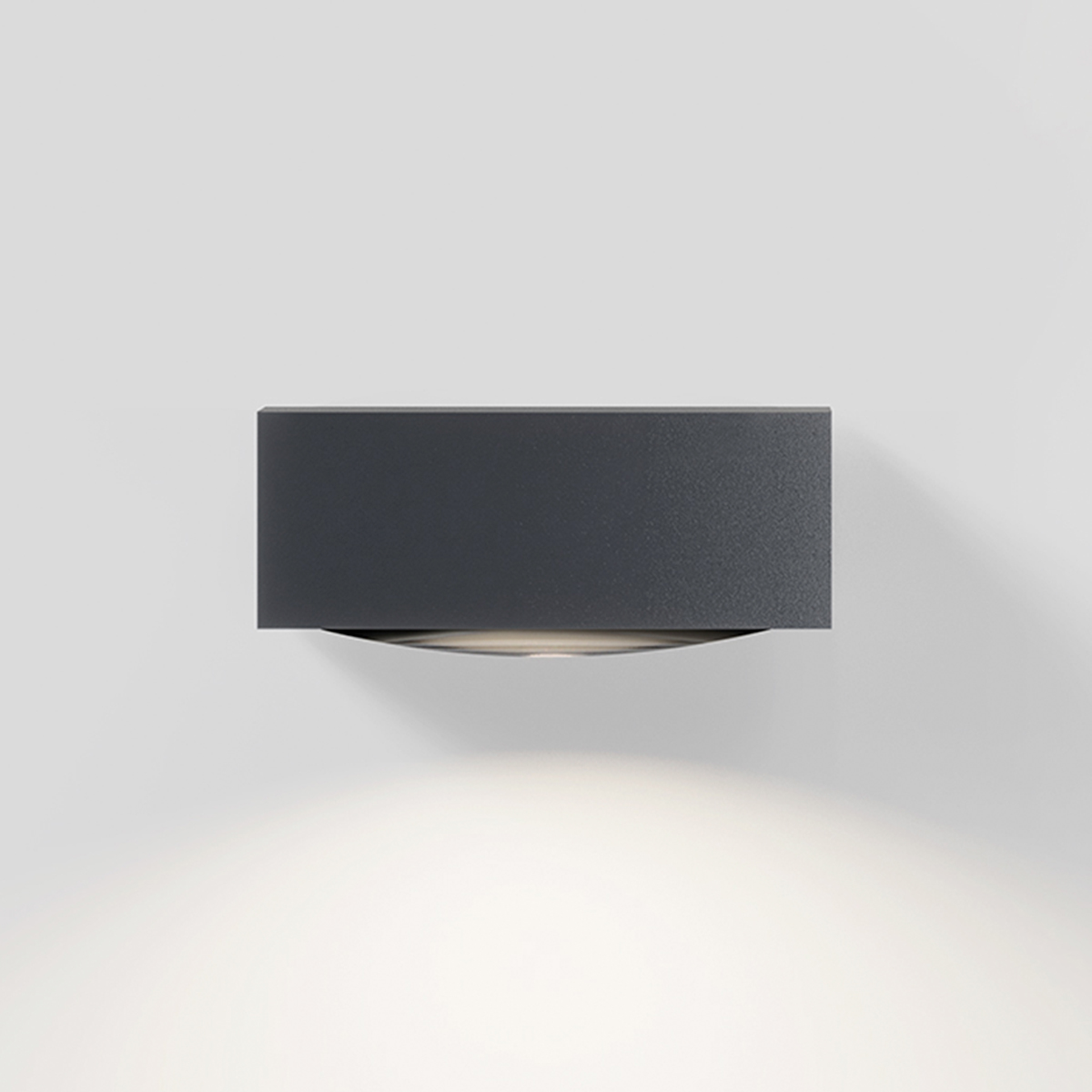
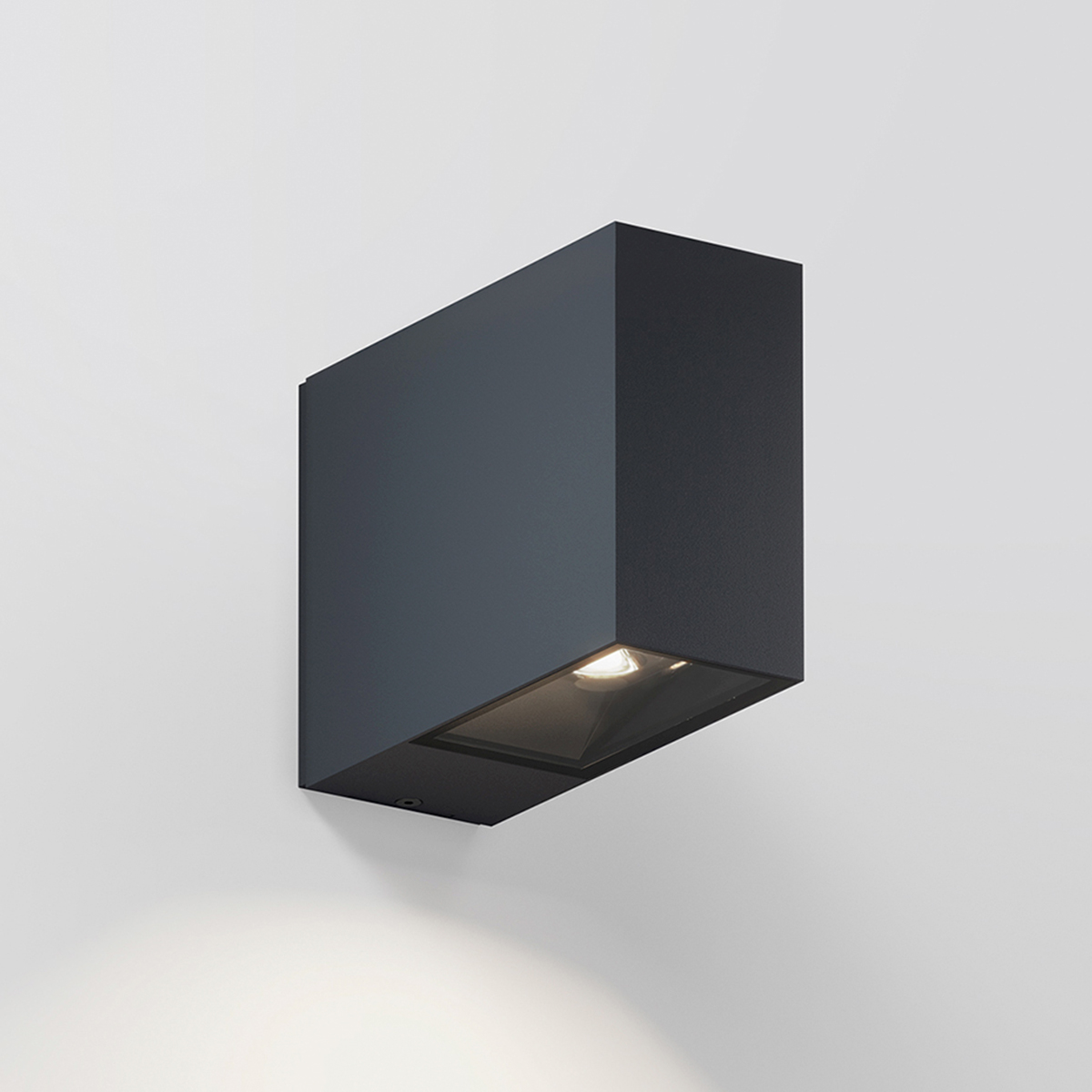
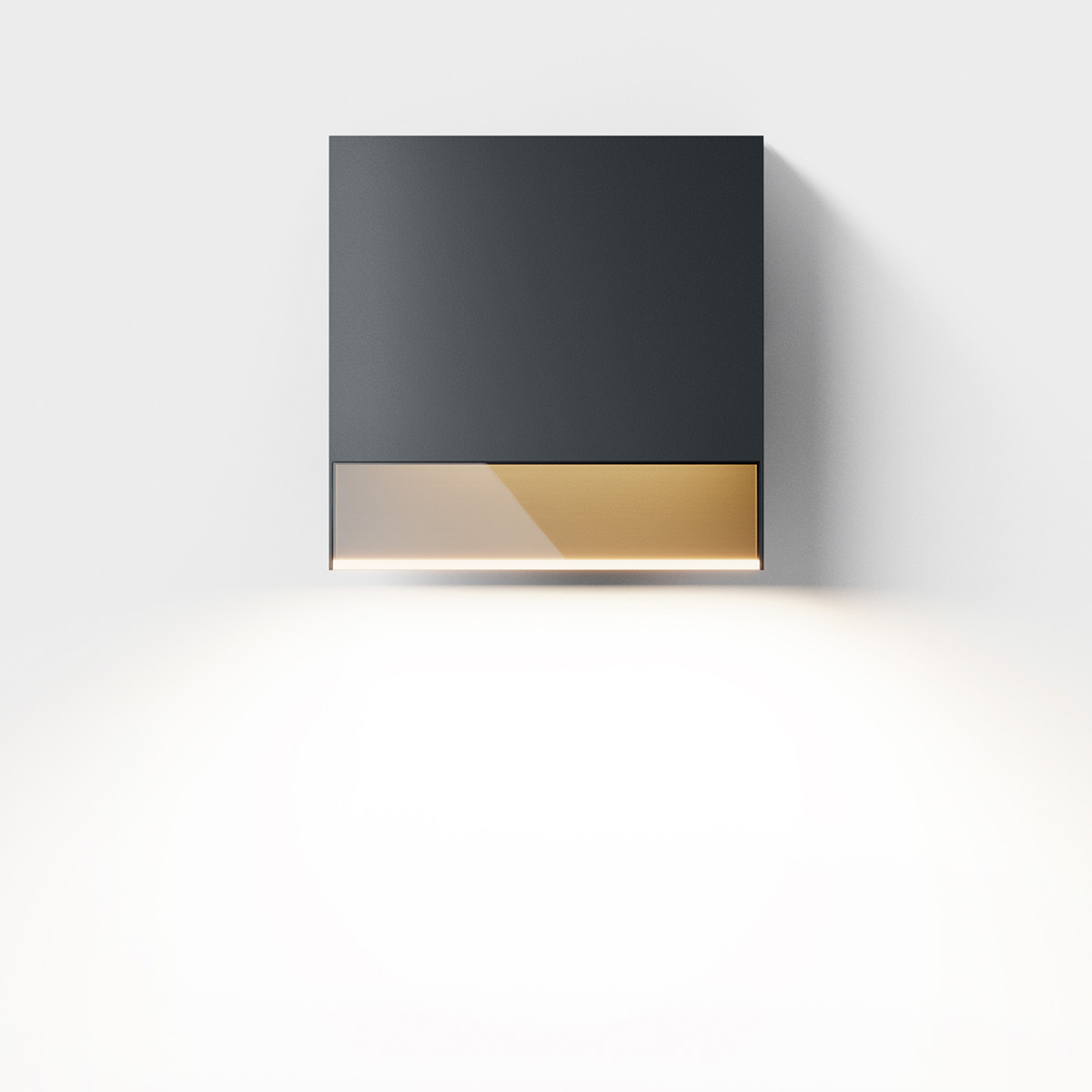
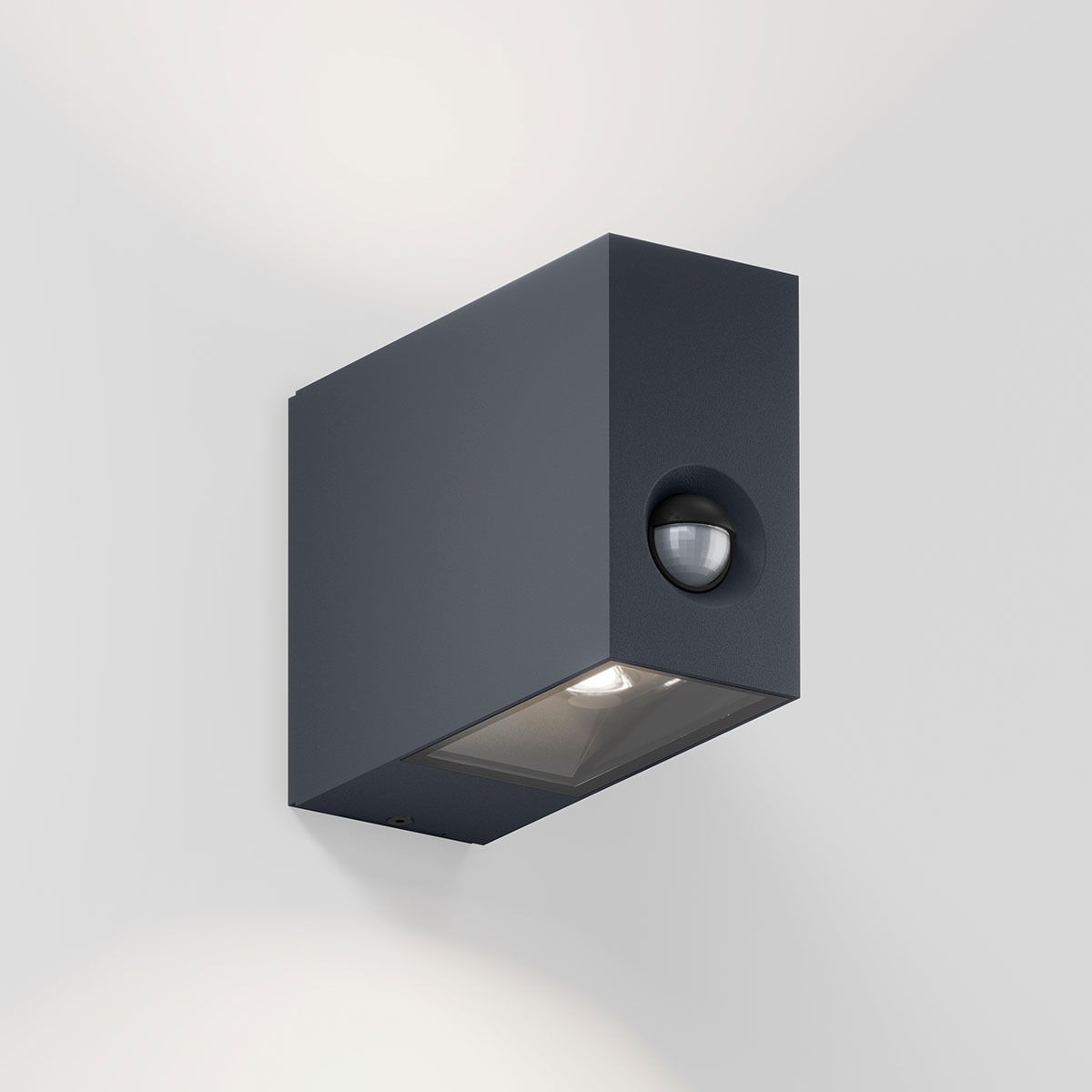
The coastal grade models include the iem.2 X, iem.2 Y, eye, eye control, eye down, las.2, li.2, luci, luci control and luci down series, among others.
Who Is Coastal Grade Relevant For?
Coastal grade luminaires are recommended wherever outdoor luminaires are exposed to elevated salt stress:
- Properties Near the Coast and on Islands: The primary application – the North Sea, Baltic Sea, Mediterranean and other coastal regions.
- Harbour Cities and River Estuaries: Even without direct sea access, the salt concentration in the vicinity of harbours can be elevated.
- Regions with Winter Road Salt Use: Luminaires at driveways and house entrances that are regularly exposed to splash water containing road salt.
- Swimming Pools and Pool Areas: Chlorinated water has a similarly corrosive effect to salt water.
- Freely Exposed Locations: Luminaires on wind-exposed façades that are subject to severe weathering.
Frequently Asked Questions (FAQ)
Can I use standard outdoor luminaires at the coast?
In principle, yes, but the lifespan may be considerably shorter. Standard outdoor luminaires are designed for normal weather conditions, not for the aggressive salt exposure near the coast. Corrosion damage – particularly on aluminium and steel parts – can occur after just a few years.
What is the difference between IP protection rating and coastal grade?
The IP protection rating (e.g. IP44, IP65) describes protection against the ingress of water and foreign bodies. Coastal grade describes protection against corrosion from salt-laden air. These are two different protective mechanisms: a luminaire can be IP65-certified (watertight) and still corrode in a salt-laden environment if the surface is not appropriately protected. For use at the coast, both are needed: a high IP protection rating and a corrosion-resistant surface.
What does IP44.DE's 5-year guarantee mean?
IP44.DE guarantees five years of protection against weather-related corrosion on aluminium parts for luminaires with a coastal grade finish. If corrosion damage attributable to normal weather exposure occurs within this period, the luminaire is repaired or replaced.
How do I care for luminaires near the coast?
Even coastal grade luminaires benefit from regular care. It is recommended to rinse them occasionally with clean fresh water to remove salt residues – particularly after storms or extended periods of strong onshore wind. Aggressive cleaning agents should be avoided.
In Summary:
Coastal grade is the answer to the particular challenges that salt-laden air poses to outdoor luminaires. The combination of specialist surface treatment, testing in the 1,000-hour salt spray test in accordance with DIN EN ISO 9227 and a five-year corrosion guarantee offers maximum security for use near the coast. At Leuchtenland.com you will find outdoor luminaires from IP44.DE with a coastal grade finish – long-lasting, corrosion-resistant and in award-winning design.