
Insect-Friendly Lighting Explained: Outdoor Light Without an Insect Trap
Why Is Insect-Friendly Lighting Important?
Artificial light at night has a massive impact on the insect world. In Germany, approximately 33 % of all insect species are classified as endangered – and light pollution, alongside habitat loss and pesticide use, is one of the major contributing factors.
The problem: nocturnal insects – including moths, beetles and many other species – use moonlight as a natural navigation aid. They fly at a constant angle to the moon and thus maintain their course. Artificial light sources disrupt this navigation system because, due to their proximity, they appear brighter than the moon and replace it as a reference point. The insects circle the light source until they die of exhaustion, burn or are caught by predators. At a single conventional street luminaire, hundreds of insects can perish each night.
The consequences affect the entire ecosystem: insects are pollinators for crops and wild plants, a food source for birds, bats and amphibians, and part of natural pest control. A decline in the insect population has repercussions throughout the entire food chain.
How Do Insects Perceive Light?
Nocturnal insects see light differently from humans. Their visual system responds to a different spectrum:
- Highest Sensitivity in the UV Range: Many insects see ultraviolet light (300–400 nm), which is invisible to humans. UV radiation acts like a magnet on insects.
- High Sensitivity in the Blue and Green Range: Short-wavelength visible light (400–530 nm) is perceived particularly intensely by insects.
- Low Sensitivity in the Red and Infrared Range: Long-wavelength light (from approx. 590 nm) is barely or not at all perceived by most nocturnal insects.
This means: the more short-wavelength (blue and UV) components a light source contains, the more strongly it attracts insects. Cool white light (5,000–6,500 K) contains significantly more blue components than warm white light (2,700 K) and is correspondingly more problematic for insects.
What Makes a Luminaire Insect-Friendly?
An insect-friendly outdoor luminaire combines several properties:
- Warm White Colour Temperature (max. 2,700 K): The lower the colour temperature, the lower the blue content in the spectrum. 2,700 K is the maximum value recommended by professional associations and nature conservation organisations. Amber light (approx. 1,800 K) would be ideal, but in practice it is perceived as too yellowish. 2,700 K is the compromise between insect protection and pleasant light quality.
- No UV Content: Warm white LEDs emit virtually no UV light – a decisive advantage over older light source technologies such as mercury vapour lamps or fluorescent lamps, which radiate significant UV components.
- Enclosed Luminaire Housing: Open luminaires into which insects can fly and perish should be avoided. Fully enclosed housings (at least IP44) prevent this.
- Directed Light Downward: Luminaires with full cutoff technology that direct their light exclusively downward produce less stray light and are less visible to insects from a distance.
- No Brighter Than Necessary: Every unnecessary amount of light increases the attraction effect. The illuminance should be limited to the level actually required.
- Timers and Motion Sensors: Switch light on only when needed – this reduces the exposure time for insects to a minimum.
What Do the Studies Say?
Scientific research confirms the link between colour temperature and insect attraction. A widely cited study by zoologists at the University of Mainz examined street luminaires with different light sources in Frankfurt am Main. The results were clear: significantly fewer insects were found at luminaires with warm white LEDs (2,700 K) than at luminaires with cool white light.
Further studies show that LEDs at 6,000 K attract an average of approximately 75 insects per night, while LEDs at 3,000 K attract only around 41 – a reduction of almost half. At even warmer colour temperatures (2,200 K and below), the number decreases further.
IP44.DE and Bugfriendly
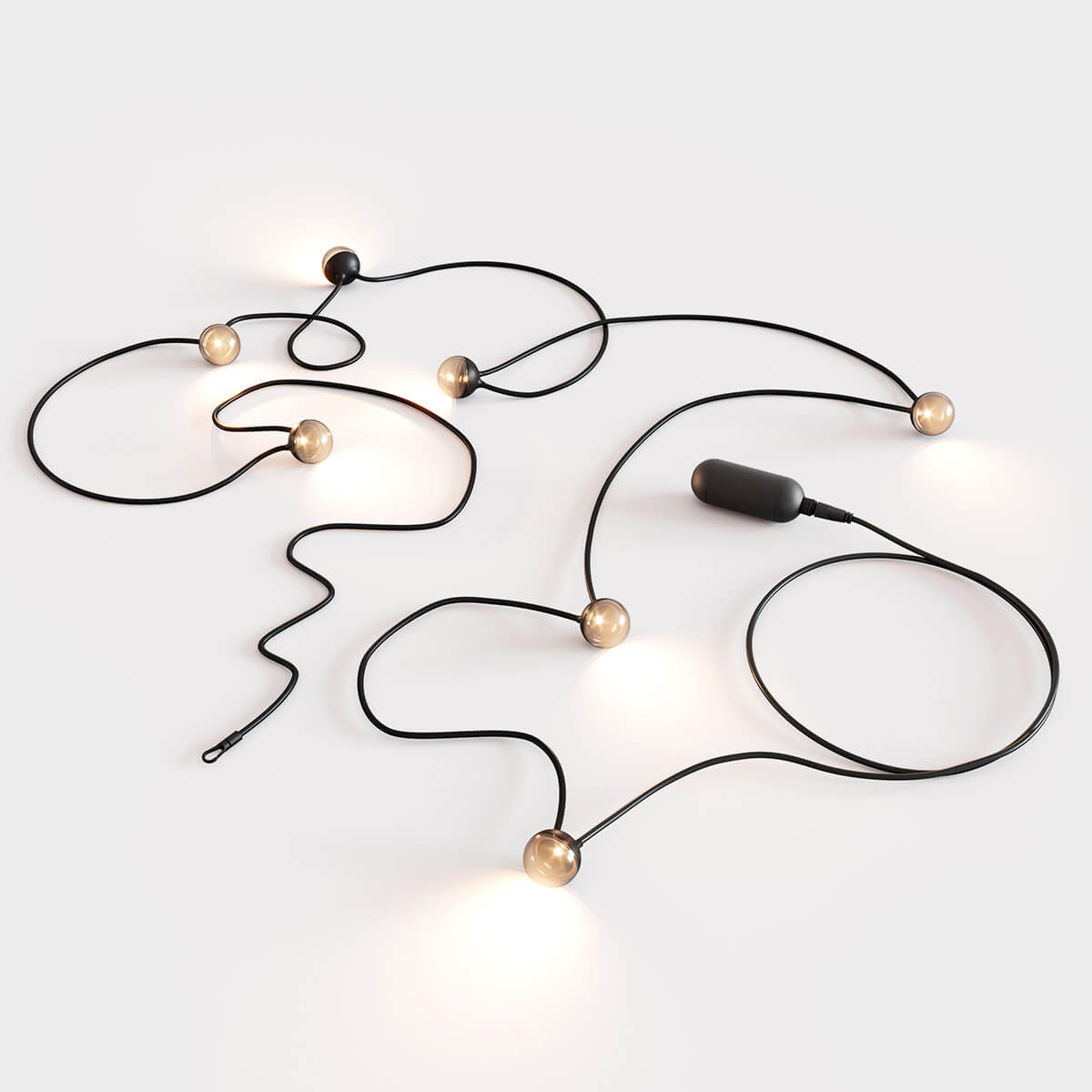
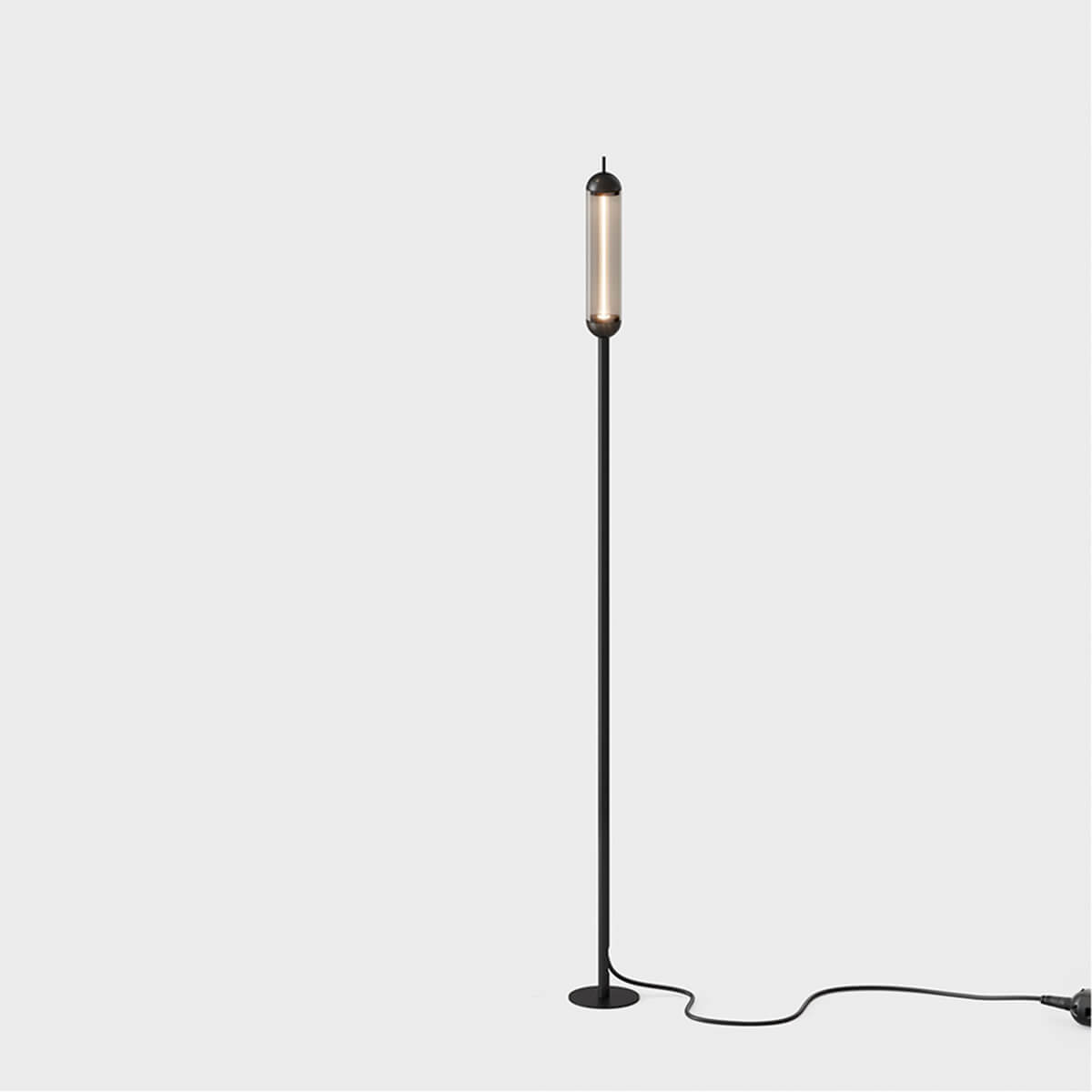
The German outdoor luminaire manufacturer IP44.DE has consistently integrated insect-friendly lighting into its product philosophy. Under the "bugfriendly" label, IP44.DE has switched the standard colour temperature of all outdoor luminaires to 2,700 Kelvin.
IP44.DE's four key arguments for 2,700 K:
- Insect Protection: Warm white LEDs at 2,700 K emit little to no UV light and contain significantly fewer short-wavelength blue components than cooler colour temperatures. Nocturnal insects are therefore barely attracted.
- Atmospheric Light: 2,700 K produces warm, inviting light that showcases architecture and gardens with atmosphere – comparable to the colour temperature of quality interior luminaires.
- Harmonious Indoor/Outdoor Transition: Since the 2,700 K colour temperature matches that of most interior luminaires, a seamless transition between indoor and outdoor light is created.
- Dark Sky Compatibility: 2,700 K is also the recommended colour temperature for dark-sky-compliant lighting and minimises sky brightening.
Insect-Friendly Lighting in Your Own Garden: Tips
- Check the Colour Temperature: When purchasing outdoor luminaires and light sources, look for a maximum of 2,700 K. Avoid cool white light (4,000 K and above) outdoors.
- LED Rather Than Conventional: LEDs are inherently more insect-friendly than halogen, mercury vapour or fluorescent lamps, as they emit virtually no UV light.
- Choose Enclosed Luminaires: Do not use open lampshades or unprotected light sources outdoors.
- Downlights Rather Than Floodlights: Luminaires that shine downward are less visible from afar than scattering globe luminaires or floodlights.
- Reduce Light: Limit garden and pathway lighting to the necessary minimum. Switch off decorative lighting after midnight.
- Use Motion Sensors: Illuminate driveways and entrances only when needed.
Frequently Asked Questions (FAQ)
What does the bugfriendly label mean at IP44.DE?
The bugfriendly label identifies outdoor luminaires from IP44.DE that are consistently fitted with warm white 2,700 K LEDs – a colour temperature that has been proven to attract nocturnal insects significantly less than cooler colour temperatures.
Are all LEDs insect-friendly?
No. LEDs are also available in various colour temperatures. Cool white LED light (5,000–6,500 K) contains a high blue content and attracts insects similarly to other cool white light sources. The colour temperature is the decisive factor: warm white (2,700 K or lower) is insect-friendly; daylight white is not.
Is 2,700 K the optimal colour temperature for insect protection?
2,700 K is an excellent compromise. Even warmer would be better – amber LEDs at approx. 1,800 K attract even fewer insects. However, amber light is perceived by most people as too yellowish and is less suited to general outdoor lighting. 2,700 K offers the best compromise of insect protection, light quality and atmosphere.
What is worse for insects – bright or cool light?
Both play a role, but colour temperature is the more dominant factor. A dim cool white light source generally attracts more insects than a bright warm white one. The worst combination is high brightness and cool colour temperature. The best: warm white, appropriately dimensioned light.
In Summary:
Insect-friendly lighting is an important contribution to species conservation that can be implemented with simple measures. The key lies in the colour temperature: warm white light of no more than 2,700 K, enclosed luminaire housings and targeted downward light distribution reduce insect attraction to a minimum. IP44.DE demonstrates with its bugfriendly concept how premium outdoor luminaire design and environmental responsibility can go hand in hand. At Leuchtenland.com you will find a selection of insect-friendly outdoor luminaires from IP44.DE – all with warm white 2,700 K LEDs.
Bugfriendly outdoor lights: