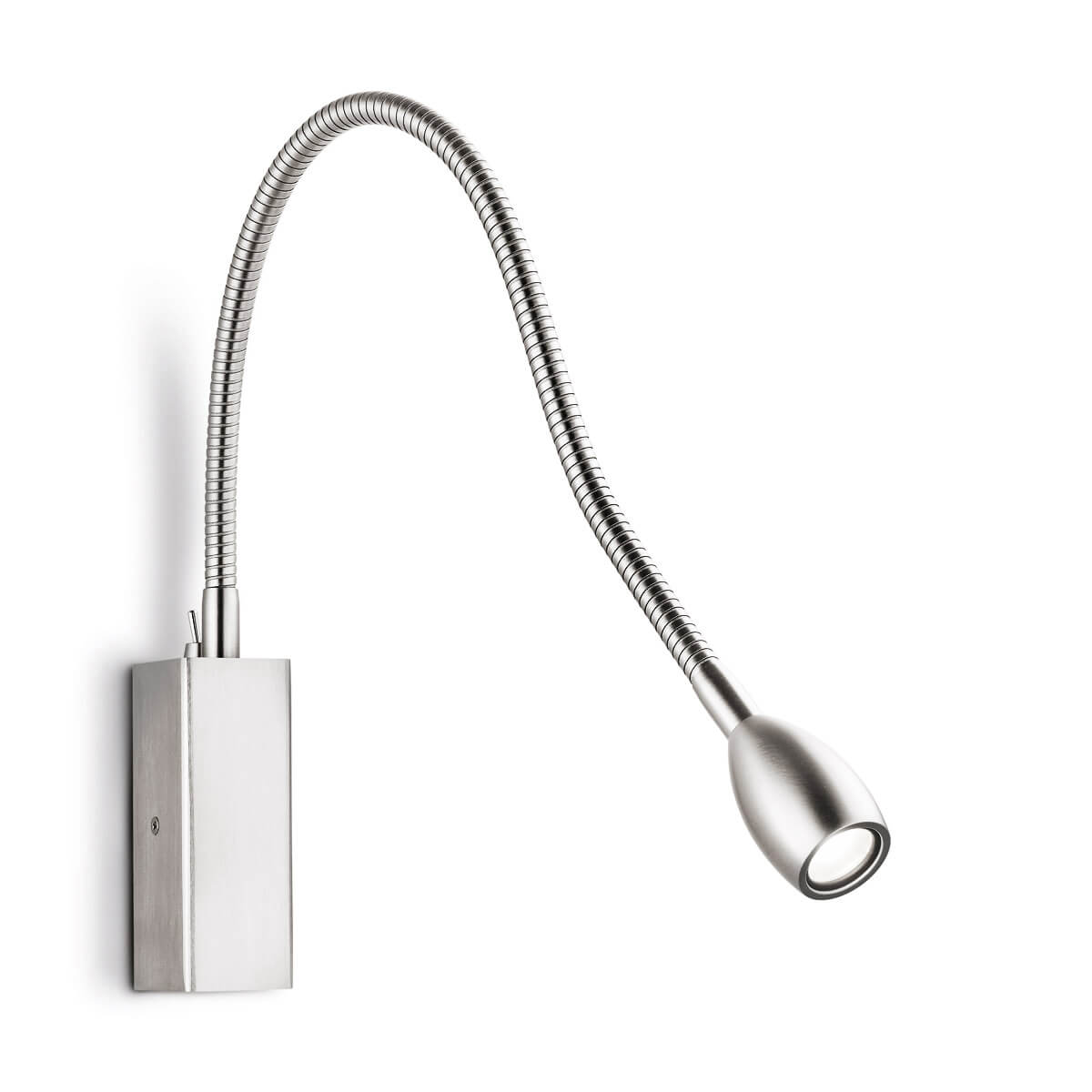

Manufactory explained: what's behind "Handmade in Germany"? Using Knapstein as an example
What is a manufactory?
The term manufactory derives from Latin: manus (hand) and factura (making) – literally "making by hand". A manufactory describes a business that sits between the traditional craft workshop and the industrial factory: production is organised with a division of labour, but the proportion of genuine handwork is high – and therefore an indispensable part of the quality promise.
Unlike a factory, which focuses on maximum automation and machine-based series production, a manufactory thrives on the experience, skill, and judgement of the people who work there. Each product passes through several craft stages that cannot be fully replaced by machines – and this is precisely what makes the difference in quality and character.
What distinguishes a manufactory from a factory?
- Proportion of handwork: In a manufactory, a significant part of production is carried out by hand. In a factory, machines and automated processes dominate.
- Quality control: Manufactories inspect each piece individually. In series production, this is handled by spot checks and automated measurement systems.
- Material expertise: Manufactory craftspeople have an intimate knowledge of their materials and respond flexibly to their individual characteristics – an advantage that no machine can fully replicate.
- Production volumes: Manufactories produce in smaller quantities and with greater time investment per piece. In return, the results are more durable, more individual, and generally repairable.
What does "Made in Germany" mean?
The mark of origin "Made in Germany" is one of the most recognised and trusted quality signals worldwide. Originally introduced in 1887 as a mandatory label on British markets to warn consumers about German exports, it quickly became the opposite: a seal of quality synonymous with precision, reliability, and excellence.
There is no legally binding definition – the designation is not a registered trademark. What matters, however, is that the essential manufacturing steps take place in Germany. Mere assembly or final inspection in Germany is not sufficient to justify the claim credibly. Many companies are not rigorous about this distinction – genuine manufactories are.
The Verein Deutsche Manufakturen
The Verein Deutsche Manufakturen (VDM) is the platform and representative body for authentic manufactory businesses in Germany. Membership is tied to clear criteria:
- The business is based in Germany.
- Craft production takes place in Germany.
- At least 50% of production is carried out by hand.
These requirements make VDM membership a reliable quality signal – not only for end customers, but also in trade and industry. Knapstein is a member of the Verein Deutsche Manufakturen.
Knapstein: master-crafted light since 1954
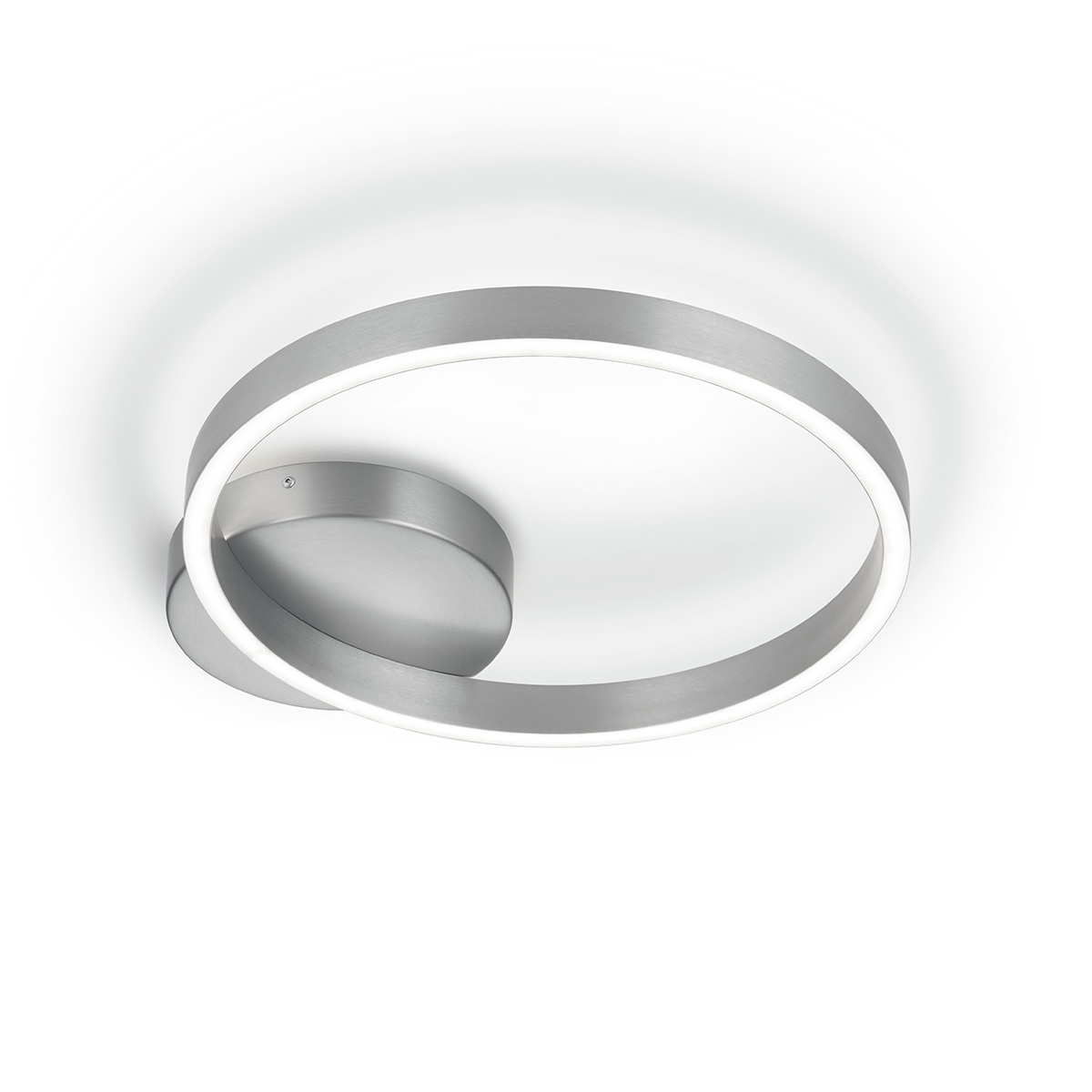
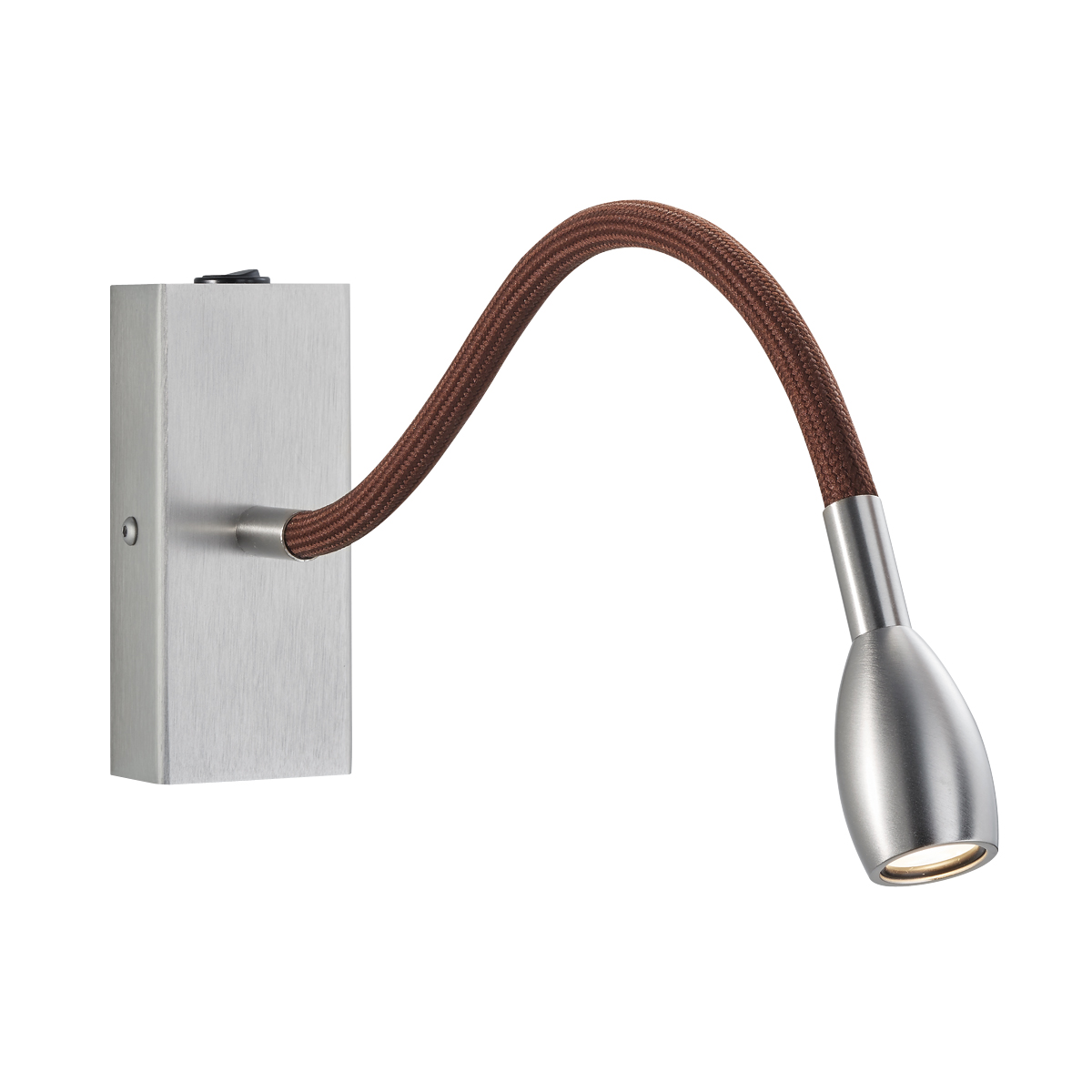
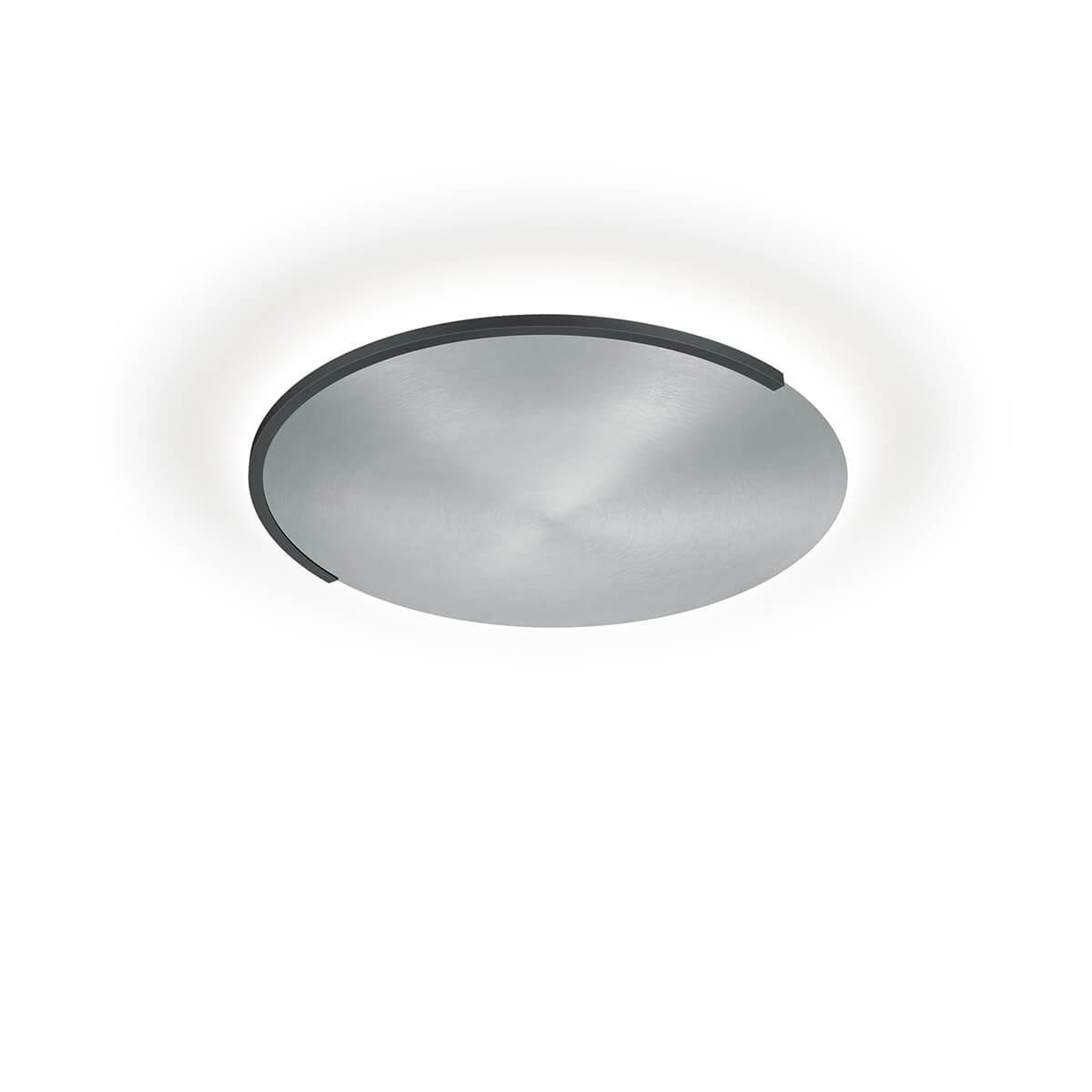
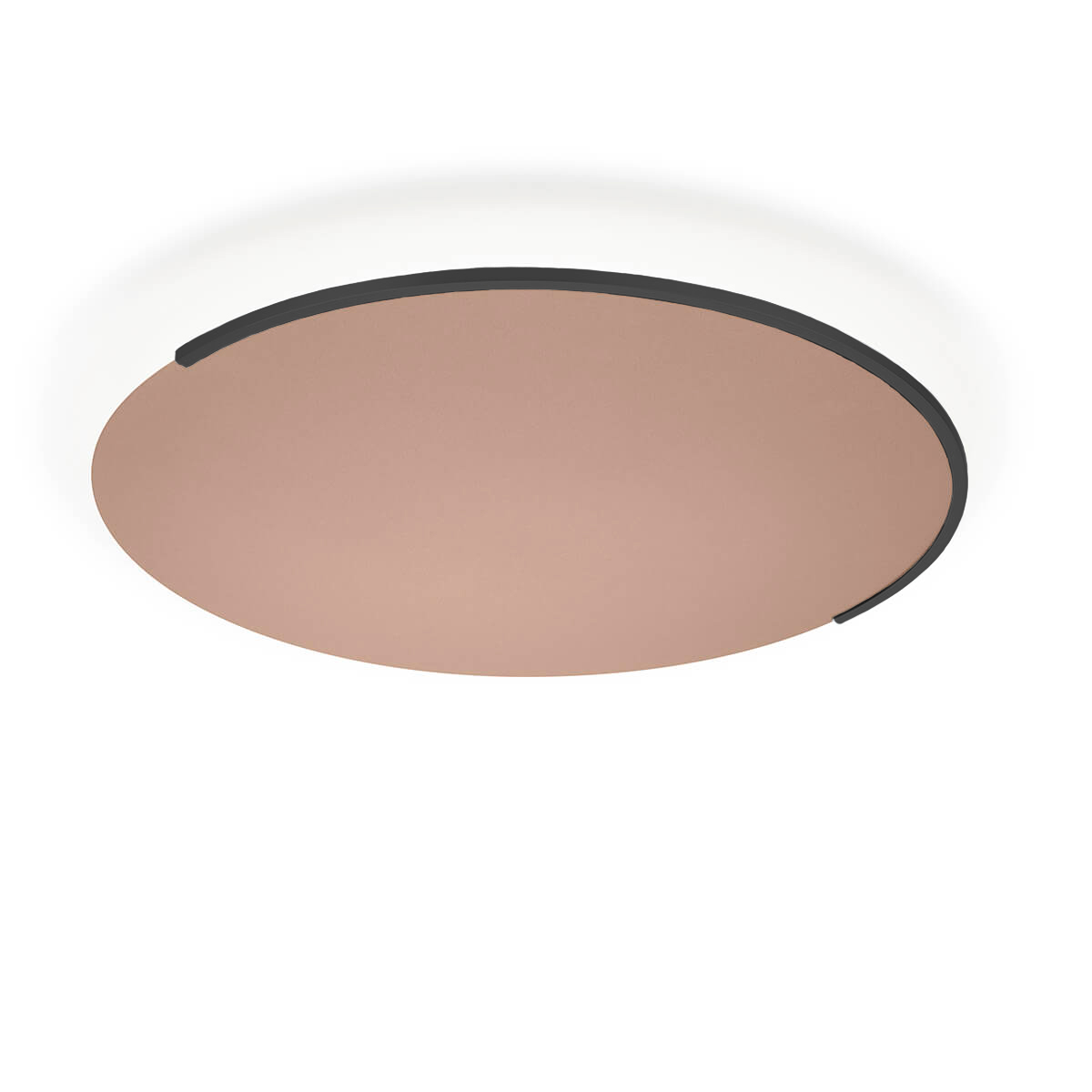
Gebr. Knapstein GmbH – Knapstein for short – is a family-run traditional business based in Sundern in the Sauerland region (North Rhine-Westphalia). Since its founding in 1954, high-quality luminaires for residential and commercial use have been produced there, under the motto "Licht aus Meisterhand" (master-crafted light).
What sets Knapstein apart from many other luminaire manufacturers: almost all production steps take place in-house. While many manufacturers only carry out final assembly in Germany and source components from abroad, Knapstein produces the majority of its luminaires in their entirety at its facility in the Sauerland. The company is also a recognised training business, actively passing on craft knowledge to new generations.
The material: why brass?
The material that gives Knapstein luminaires their distinctive character is brass – an alloy of copper and zinc that has been used as a structural material for over 2,000 years. Brass is dimensionally stable, corrosion-resistant, hygienic, and easy to care for. Depending on the composition – the zinc content can vary between 5 and 45 per cent – the colour ranges from reddish gold to bright light yellow.
Knapstein offers its luminaires in five finishes: matt brass, polished brass, bronze, matt nickel, and chrome. Each finish differs in both alloy composition and the processing steps involved – expertise built up over decades. There is also an ecological argument: brass can be recycled to over 90% without any loss of quality – a material designed for longevity from the outset.
The manufacturing process in the manufactory
Every Knapstein luminaire passes through the same carefully coordinated process at the manufactory in Sundern:
- Shaping: The brass is formed into the desired shape – by turning, milling, or pressing, depending on the component and design.
- Cleaning and electroplating: The individual parts are cleaned and then refined in an electrolytic bath – i.e. coated with a thin layer of metal that defines the surface and colour effect.
- Protective lacquer by hand: A specialist protective lacquer is applied manually to the surfaces. This step requires experience and a delicate touch and cannot be fully automated.
- Assembly: The finished components are assembled by hand into the complete luminaire. At each step, experienced specialists check that fit, function, and appearance meet requirements.
Tradition meets innovation: LED, Casambi, and gesture control
Craftsmanship and innovation are not mutually exclusive at Knapstein – they go hand in hand. The exterior of the luminaires follows timeless, classically elegant forms; the technology inside is at the cutting edge of lighting innovation. Knapstein luminaires are equipped with energy-efficient LED modules with high colour rendering, and offer – depending on the model – features such as stepless height adjustment, integrated gesture control, Dynamic White (stepless colour temperature adjustment by gesture), and Casambi lighting control (Bluetooth-based app control). All of this without requiring a wall dimmer or external control unit.
Frequently asked questions (FAQ)
What defines a manufactory?
A manufactory produces its goods predominantly by hand, with a high level of craftsmanship and within controlled, organised processes. The key difference from a factory: the person – not the machine – is the central means of production.
What exactly does "Made in Germany" mean?
Made in Germany means that the essential manufacturing steps of a product take place in Germany. There is no legally fixed definition, but credible manufacturers such as Knapstein produce almost entirely at their German site – not just the final assembly.
How long has Knapstein been around?
Knapstein was founded in 1954 and has been a family-run business in Sundern in the Sauerland, NRW, ever since. The company has been producing luminaires in its own manufactory for over 65 years.
Why are manufactory luminaires more expensive than mass-produced ones?
Because more time, expertise, and craftsmanship go into each individual piece. In return, manufactory products are generally more durable, repairable, and of a material quality and finish that industrial mass production cannot match.
Is brass sustainable?
Yes. Brass has a recycling rate of over 90% and can be melted down and reprocessed repeatedly without any loss of quality. Combined with the long service life of the luminaires, this makes a compelling sustainability argument.
In summary:
A manufactory is more than a marketing term – it represents a culture of production, craft responsibility, and the promise that behind every product stands a person with experience and care. Knapstein from Sundern has lived up to this promise for over 65 years: with brass as the primary material, a fully in-house production process, and a commitment to continually reconciling tradition and innovation. At Leuchtenland.com, you will find a selection of Knapstein luminaires – handcrafted in Germany.